Non-Toxic Mattress and Organic Crib Mattress: What Really Matters
For a baby, safe sleep comes first and certifications come second. Here is what matters when you shop for a crib or a non toxic mattress.
This post may contain affiliate links. If you buy through them, I may earn a small commission at no extra cost to you. It is general information, not medical advice.
The short version
For a baby, a firm mattress that fits the crib and meets current safety rules comes first. Certifications and organic materials come second.
For babies, physical sleep safety comes first
When you choose an organic crib mattress, begin with current infant sleep guidance and the CPSC requirements. A firm, flat surface that fits the crib properly matters more than an appealing marketing label. Follow the crib and mattress instructions, and keep pillows, loose bedding, bumpers and extra soft layers out of a baby’s sleep space.
What crib mattress rules address
Federal requirements cover size, firmness, fit and other hazards for crib mattresses. Which standard applies depends on the product and how it is meant to be used. Do not assume a mattress is compliant just because a shop calls it natural or organic. Check that the product states compliance with current CPSC rules.
What mattress certifications can tell you
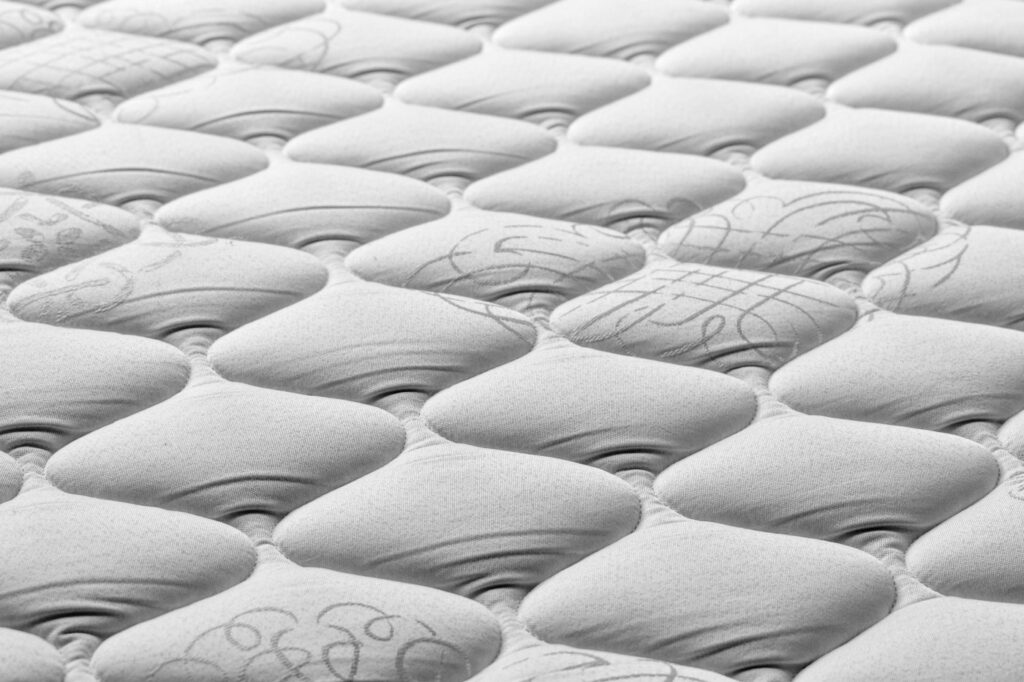
GOTS relates to organic textile content and processing within its certification scope. GOLS covers organic latex. GREENGUARD Gold is an emissions certification, not an organic fiber certificate. Each seal answers a different question, and none of them replaces physical crib safety compliance.
What about flame retardants?
Mattresses must meet flammability requirements, but makers can meet them with different constructions and barrier materials. You cannot tell from the way a mattress looks which treatment it has. Ask the maker how it meets the requirements and whether specific additives are present.
Questions to ask before buying
Is the mattress made for this crib or sleep product? What safety standard does it meet? Can the seller show its certifications? Is the cover removable and washable? Does the warranty cover sagging? For an adult mattress, comfort and support matter too.
A calm nursery buying checklist
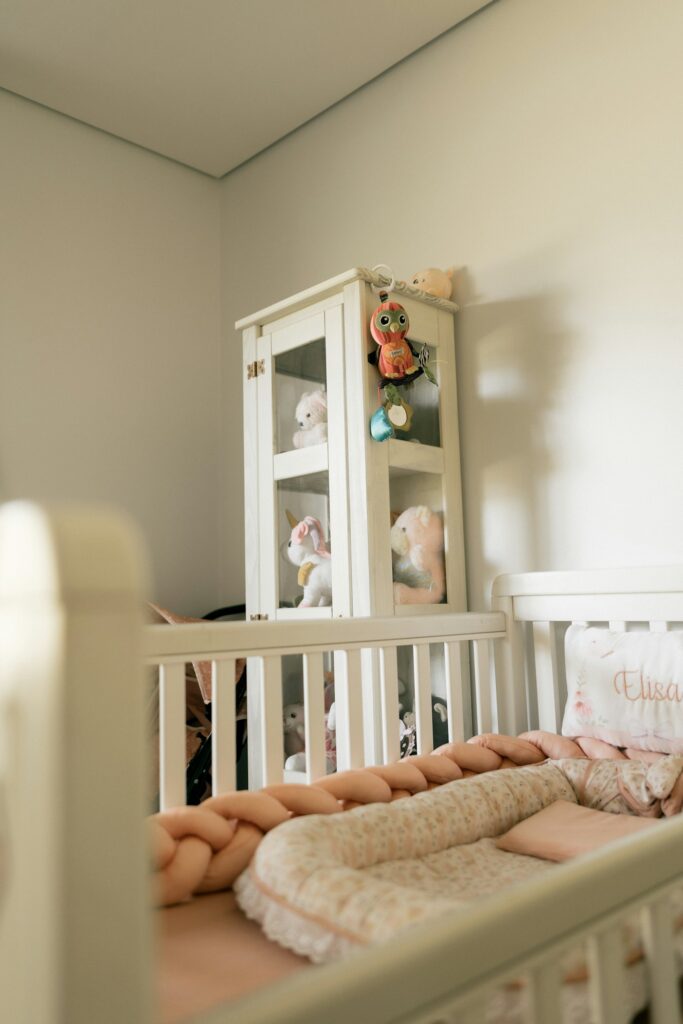
Put a compliant crib, a firm mattress that fits properly and a fitted sheet made for it first. Avoid secondhand products with missing labels, unknown recalls or uncertain compatibility. If you want certified materials, check those claims only after the basic safety features are covered.
Check the label and the fit first
For a crib, the first questions are practical. Does the mattress fit the crib snugly, with no gaps? Does the label say it meets current safety rules? Is the surface firm and flat? Only after that do materials matter. A beautiful organic mattress that leaves a gap at the edge is not a safe choice.
Waterproof covers and sheets
Babies need protection from spills, but a cover has to be made for the mattress and fit tightly. Loose covers and extra layers can create hazards. Choose a fitted sheet and a cover designed for your size, follow the manufacturer’s guidance and wash them often.
Airing out a new mattress
A new mattress can have a smell. Many makers suggest unpacking it in a well ventilated room and letting it air out before it is used. That is simple and costs nothing. If a smell is strong or does not fade, contact the maker.
Choosing an adult mattress
For an adult bed, comfort and support come first, since you spend about a third of your life on it. Compare materials like latex, wool, cotton and innerspring coils, read the trial and return policy, and ask what certifications cover. Certifications are a useful extra, but they do not tell you whether the mattress suits your back.
Budget and priorities
Organic and certified mattresses can be expensive. If the budget is tight, put safety and fit first, then a washable cover and a good sheet. Spend on certified materials where you can, but do not feel pressure to buy the most expensive option. A safe, well fitted mattress in a safe sleep space is what counts most.
Quick questions
Does organic mean a crib mattress is compliant?
No. Organic describes materials. Crib mattress safety rules cover size, fit and firmness. Check both.
What does GREENGUARD Gold certify?
It certifies low chemical emissions from a product. It is not an organic certification and not a safe sleep certification.
Can I add a soft mattress topper to a crib?
No. Safe sleep guidance for babies calls for a firm, flat sleep surface with no soft layers or loose bedding. Check the latest guidance from your pediatrician or the American Academy of Pediatrics.
The swaps
Where to start when you shop.
| Instead of | Consider | Check first |
|---|---|---|
| A crib mattress sold as natural only | A firm, fitted crib mattress that states current CPSC compliance | The compliance statement, then any material certifications |
| Soft toppers or extra layers | Just a fitted sheet made for the mattress | Current safe sleep guidance |
Brand names are examples to research, not a promise. Always check current details before you buy.
Your next step
Before comparing materials, confirm the crib and mattress fit and meet current safety rules. Then look at certifications. For sheets, see our organic cotton sheets guide.
Where to read more
The CPSC publishes the crib mattress safety standard, and the GOTS and GREENGUARD sites explain what their certifications cover. Check the current pages.
Part of our Non-Toxic Living series
Start with Non-Toxic Living for Beginners. Next, try GOTS vs OEKO-TEX sheets or Glass vs plastic storage.
Free Non-Toxic Home Starter Checklist
Ten small swaps, in the order that makes the most difference.
Get the free checklist