Non-Toxic Living for Beginners: 10 Simple Home Swaps That Matter
You do not need to replace everything. Here are ten swaps, in a sensible order, that you can make as things run out or wear out.
This post may contain affiliate links. If you buy through them, I may earn a small commission at no extra cost to you. It is general information, not medical advice.
The short version
Swap things as they run out, one change a month, and ignore anything that promises a perfect clean home. Start with your pans, your laundry and your cleaning shelf.
Start with progress, not a shopping spree
A lower exposure home is not built by throwing away every bottle and pan you own. The useful first step is to name a real concern, learn what the evidence says, and pick a replacement when an item runs out or wears out. Marketing language can create worry you do not need. Specific labels, instructions and certifications help more.
Swap 1: learn what your cookware is made from
Check whether your favorite skillet has a fluoropolymer coating, what temperature it can take and whether it is damaged. If you want an uncoated option, consider stainless steel or cast iron. Read our cookware comparison and the PFAS kitchen guide before you spend money.
Swap 2: use a suitable container for reheating
Keep intact containers for their intended uses. For hot leftovers, consider microwave safe glass and follow the lid instructions. Our glass versus plastic guide explains BPA claims and why a recycling symbol is not a microwave guarantee.
Swap 3: rethink unnecessary room fragrance
If scents bother someone in your home, skip plug ins and sprays and deal with odors at the source. Open windows when conditions outside allow. Our indoor air guide explains why source control usually beats masking smells.
Swap 4: try fragrance free laundry
When your detergent runs out, compare fragrance free options and check EPA Safer Choice listings if they matter to you. Skip scent beads unless you have a reason to use them. The laundry guide covers the difference between unscented and fragrance free.
Swap 5: choose a water filter for a known concern
Read your local water report or proper test results before buying. Match a certified reduction claim to the contaminant you care about. A filter sold for taste is not automatically designed for lead or PFAS. Our water filter guide shows how to check.
Swap 6: simplify your cleaning shelf
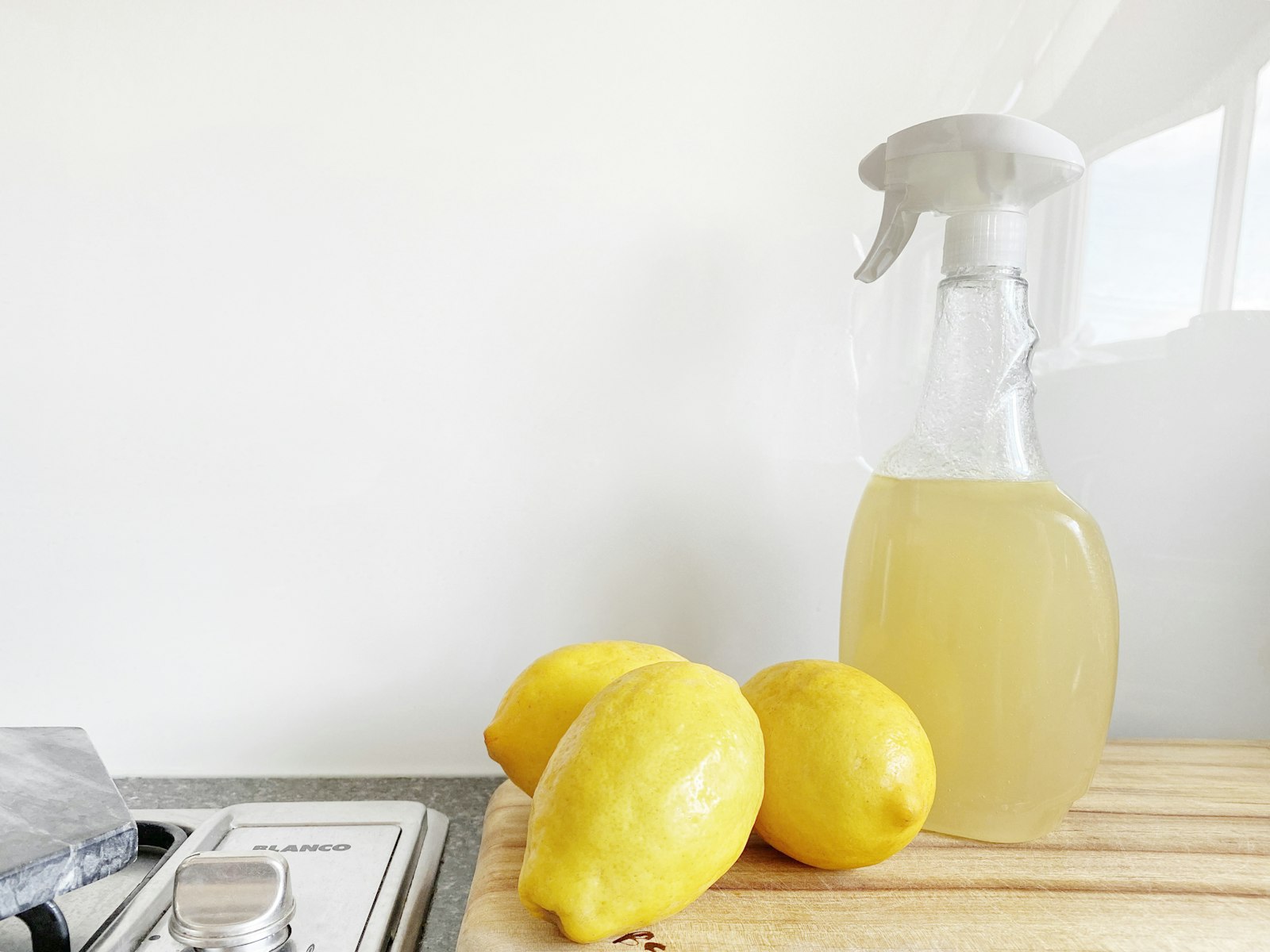
Use the right cleaner for the job and never mix bleach with other cleaners. A mild detergent and water handle many routine messes, and you can disinfect when the situation calls for it. Our cleaning basics guide explains the difference.
Swap 7: make cooking ventilation routine
Use a vented range hood where you can, and follow the ventilation advice when you paint or renovate. Opening a window may help when the air outside is good. See the indoor air guide for what to look for in an air purifier.
Swap 8: shop bedding labels carefully
When sheets need replacing, compare GOTS and OEKO-TEX STANDARD 100 based on what each one certifies. Organic fiber and harmful substance testing are not the same claim. Our bedding guide walks through both.
Swap 9: put infant sleep safety ahead of marketing
For a crib, choose a compliant, firm, properly fitted mattress and follow current safe sleep advice. A natural material label does not replace those rules. Read the nursery mattress guide for questions to ask.
Swap 10: make a one page replacement plan
Write down the products you use most, the concern you are addressing, the evidence or certification that matters, and when each item is due for replacement. Start with one affordable change this month. That works better than buying a whole new “clean home” at once.
Why swaps work better than a clean out
Throwing everything away feels productive for a day and then leaves you with a pile of waste, an empty wallet and no plan. Swapping as things run out keeps you from wasting money and lets you learn what you like. It also keeps this from taking over your whole life, which is the point.
How to afford it
Treat this like any other budget. Choose one swap a month, set aside a small amount, and look for sales on the things you were going to buy anyway. Use up what you have first. Secondhand cast iron and glass jars cost very little, and some of the best changes, like opening a window or using the exhaust fan, cost nothing.
Spotting greenwashing
Words like natural, pure, eco, clean and green have no single legal meaning on many products. Ask for details instead. What exactly is in it? Which standard does it meet? Can I check the certificate? If a company cannot answer, you have learned something.
Talking to family
A partner or parent may roll their eyes at all this. Keep it light. Share what you changed and why, and do not make anyone feel guilty. Most people go along happily when the change is easy, like a new detergent, and do not need a lecture.
A simple three month plan
Month one, the kitchen: check your pans, move reheating into glass and run the hood when you cook. Month two, laundry and cleaning: switch to a fragrance free detergent when you run out and simplify your cleaning shelf. Month three, sleep: check your bedding labels and, if you have a baby, check the crib mattress fit and safety rules. By the end you have changed a lot without stress.
Quick questions
What should I swap first in a non toxic home?
Pick the item that runs out first or the one that worries you most. For many people that is a worn nonstick pan or scented laundry products.
Is natural always safer?
No. Natural describes where something comes from, not how safe it is. Look at the ingredients and the instructions.
Do I need to replace everything at once?
No. Replace things as they wear out or run out, and start with one change this month.
Your next step
Choose one swap from the list and put it on your calendar for this month. Small changes you keep are worth more than a big clean out you give up on.
Where to read more
EPA Safer Choice and the FDA food contact materials pages are good starting points. Check the current versions.
Free Non-Toxic Home Starter Checklist
Ten small swaps, in the order that makes the most difference.
Get the free checklist