Do You Need an Air Purifier? When It Helps and When It Does Not
This post may contain affiliate links. If you buy through them I may earn a small commission at no extra cost to you.
Air purifiers have become a popular home purchase. You’ll see them advertised as a way to remove dust, allergens, smoke, pet dander, mold spores and even chemicals from the air. Some claims sound impressive, and others make it seem as though every home needs one.
So do air purifiers really work? Yes, they can. The important part is choosing one that’s designed to remove the type of pollution you’re concerned about. A machine that captures dust particles may not do much for chemical vapors, while one designed to remove odors may not be great at filtering fine particles. And sometimes an air purifier isn’t the answer at all. If you’re thinking about buying one, here’s what to understand before spending your money.
An air purifier can help with dust, pollen, pet dander and smoke if it has a real HEPA filter and the right CADR for your room. It will not fix mold, remove most chemical smells on its own, or replace cleaning and ventilation.
- What Does an Air Purifier Actually Do?
- When Is an Air Purifier Worth Buying?
- True HEPA vs HEPA Type: What’s the Difference?
- What Is CADR, and Why Does It Matter?
- Can an Air Purifier Remove VOCs and Household Chemicals?
- Are Ionic Air Purifiers Safe?
- Will an Air Purifier Remove Mold?
- What About Air Purifiers for Allergies?
- What Features Should You Look for When Buying?
- When You Probably Don’t Need an Air Purifier
- My Simple Air Purifier Buying Checklist
- Frequently Asked Questions
- A Final Thought
What Does an Air Purifier Actually Do?
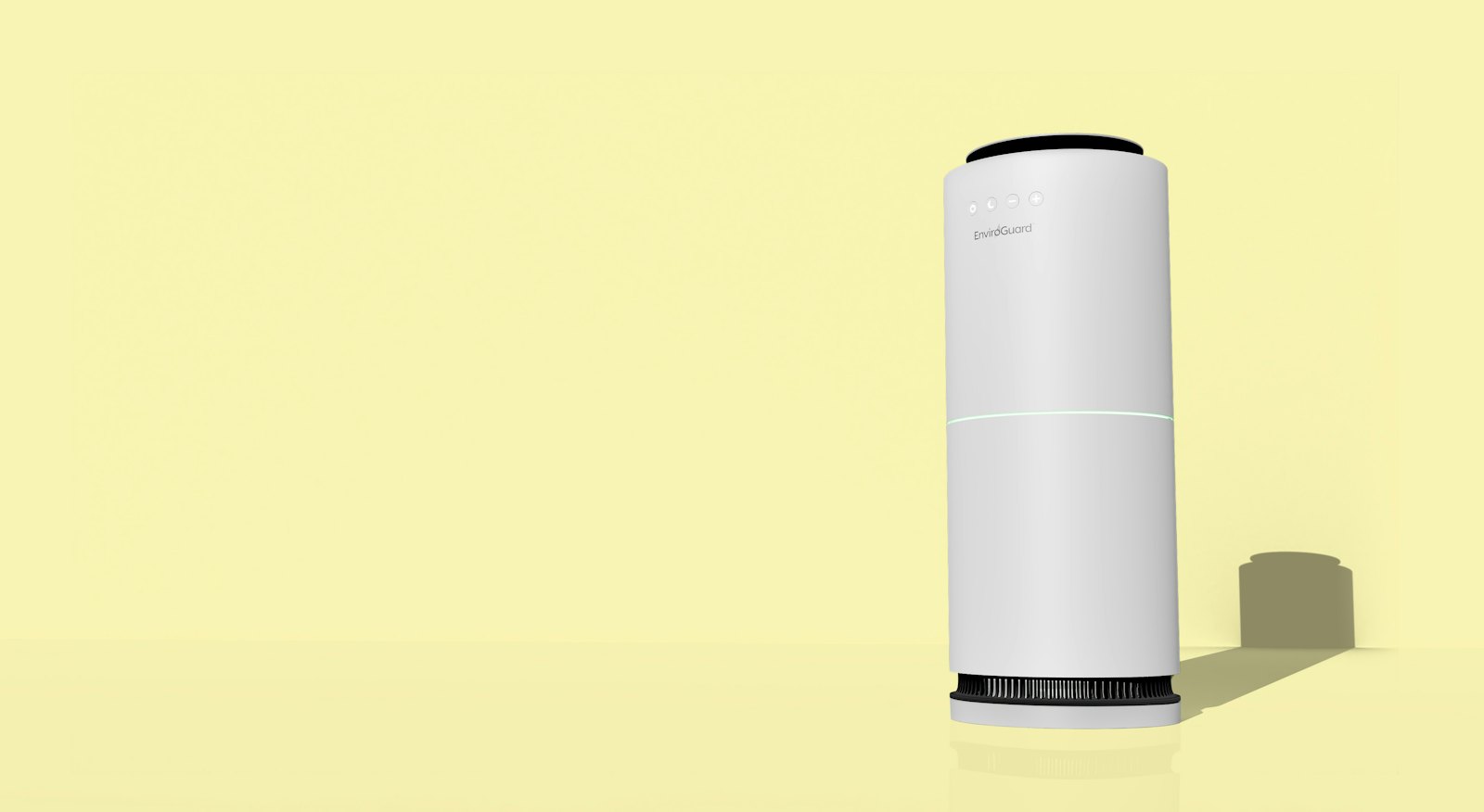
An air purifier draws air through a filter and releases the filtered air back into the room. Depending on the design, it may capture household dust, pollen, pet dander, smoke particles, some airborne mold spores and other fine particles. Some models also have extra filters meant to reduce certain gases and odors.
The key thing is that a purifier only treats the air that passes through it. It doesn’t clean every room in your home, remove pollution at the source or make the air free of contaminants. The US Environmental Protection Agency (EPA) describes air cleaning as one part of improving indoor air quality, alongside source control and ventilation. A purifier can help, but it shouldn’t be your whole plan.
When Is an Air Purifier Worth Buying?
There are situations where one can be a useful addition.
If you live somewhere dusty
Dust comes in through windows, doors and everyday activity. A properly sized purifier with an effective particle filter can capture some airborne dust. It won’t remove what has already settled on furniture and floors, so you’ll still need to clean regularly.
If you have pets
A HEPA purifier may help capture airborne pet dander and other small particles. It won’t remove pet allergens from carpets, bedding, upholstery or clothing, so vacuuming and washing pet bedding still matter.
If pollen affects you
Pollen comes in through windows, doors and clothing. A suitable HEPA purifier can help reduce airborne pollen in the room where it runs, so consider putting it in the bedroom or wherever you spend the most time.
If you deal with wildfire or outdoor smoke
Smoke contains fine particles that travel indoors. A properly sized mechanical purifier with a HEPA filter can help reduce them in a closed room. Look for an appropriate clean air delivery rate (CADR), and use the smoke CADR when comparing products.
If you want to cut everyday particles
Cooking, cleaning and other household activity put particles in the air. A purifier may capture some of them, though a range hood or opening windows when the outdoor air is good can help too. Work out what you want to improve before you buy anything.
True HEPA vs HEPA Type: What’s the Difference?
When researching, you’ll come across True HEPA, HEPA type and HEPA like. They sound interchangeable, but they aren’t necessarily the same.
True HEPA filters
HEPA stands for High Efficiency Particulate Air. Under the EPA’s definition, a HEPA filter can theoretically remove at least 99.97% of airborne particles measuring 0.3 microns under the specified test conditions, which is a particularly hard size to catch. It can help capture dust, pollen, pet dander, many mold spores and smoke particles.
One detail worth knowing: the filter’s efficiency rating isn’t the same as the performance of the whole machine. The unit also needs good airflow and a design that pushes air through the filter instead of letting it bypass it.
HEPA type and HEPA like filters
These terms show up in product descriptions, but they don’t automatically mean the filter meets the recognized HEPA standard. Some may catch a reasonable amount of dust and larger particles, but don’t assume the same performance. Look for actual filtration specifications rather than a product name, and if the maker doesn’t explain the filter’s performance, ask.
Which one should you choose?
If you’re buying mainly for airborne particles, I’d look for a clearly specified HEPA filter and a suitable CADR. I wouldn’t pay extra just because the box says HEPA several times.
What Is CADR, and Why Does It Matter?
CADR stands for Clean Air Delivery Rate, and it’s one of the most useful numbers when comparing portable purifiers. It tells you how much filtered air a machine delivers, with separate ratings usually given for smoke, dust and pollen. A higher CADR generally means it can clean the air faster or serve a larger room. Even a very efficient filter isn’t much use if the machine is too small for the space.
How to choose the right CADR for your room
The Association of Home Appliance Manufacturers (AHAM) gives a handy rule of thumb: choose a smoke CADR of at least two thirds of the room’s floor area in square feet.
- A 120 square foot room needs a smoke CADR of around 80 or higher.
- A 180 square foot room needs around 120 or higher.
- A 300 square foot room needs around 200 or higher.
For wildfire smoke, AHAM suggests a smoke CADR roughly equal to the room’s floor area. These are starting points, not guarantees, since ceiling height, layout and how often the purifier runs also matter. With high ceilings or an open plan living area, you may need a larger unit or more than one.
Don’t rely only on the advertised room size
A purifier may be advertised for a 500 square foot room. Check the CADR behind that claim and the conditions used to calculate it. A maker’s maximum room size may assume a certain ceiling height or a slower rate of air cleaning than you actually want.
Can an Air Purifier Remove VOCs and Household Chemicals?
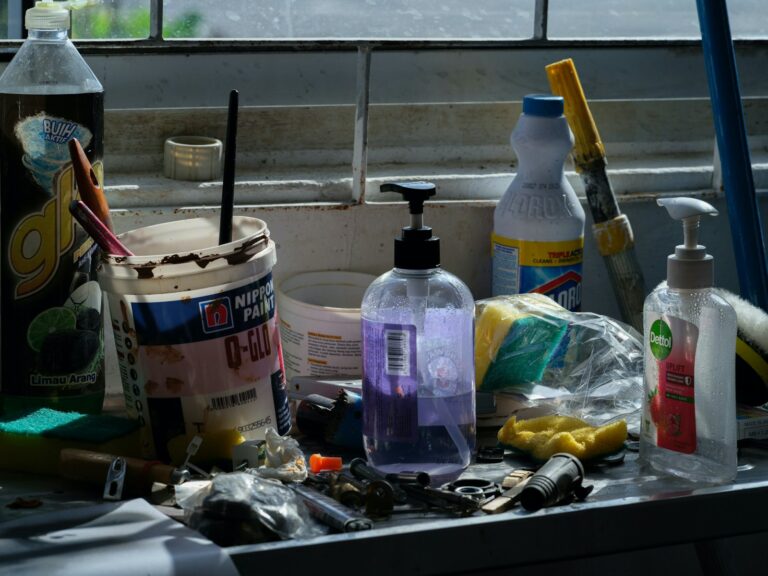
This is where it gets a little more complicated. VOCs, or volatile organic compounds, are gases released by some household products and materials, such as paints and varnishes, some cleaning products, adhesives, furniture and building materials, and certain fragrances and solvents.
A standard HEPA filter is designed to capture particles, not gases. So if VOCs are your concern, a HEPA filter alone isn’t enough.
What does activated carbon do?
Activated carbon is a porous material that can adsorb certain gases and odor causing compounds as air passes through. That makes it a useful addition to some purifiers, but not all carbon filters are equal. A thin carbon coated sheet isn’t comparable to a filter with a substantial amount of activated carbon. The amount, its properties, the airflow and the specific gases all affect performance. The EPA suggests looking for a substantial amount of activated carbon or another gas phase filter designed for the pollutants you’re trying to reduce.
There also isn’t a widely used CADR style rating for gas removal. If you’re worried about VOCs, reducing the source is still the first step. A purifier shouldn’t be your first answer to a persistent chemical smell.
Are Ionic Air Purifiers Safe?
You may see purifiers advertised as ionic, ionizing or ionizer based. These use electrical processes to charge particles so they can be collected on surfaces or in the machine, and some combine ionization with mechanical filtration.
The concern is that certain electronic air cleaning technologies can produce ozone as a byproduct. Ozone can irritate the respiratory system, so it’s not something you want an appliance deliberately releasing into a room you’re in. The EPA advises against using ozone generators in occupied spaces, and some ionizers, electrostatic precipitators and other electronic technologies may also produce ozone. That doesn’t mean every electronic air cleaner produces the same amount, but it does mean you should look at the technology and the emissions testing.
What about CARB certification?
The California Air Resources Board (CARB) keeps a list of air cleaning devices that meet its ozone emission and electrical safety requirements, which can be a useful check. It isn’t a guarantee that a purifier removes pollutants well, though. For a simple household choice, I’d lean toward a mechanical purifier that uses physical filtration over one that relies on ozone producing technology.
Will an Air Purifier Remove Mold?
This is one of the most misunderstood uses. A HEPA purifier can capture some airborne mold spores, which can be a helpful extra. But an air purifier cannot fix a mold problem. Mold grows where there’s a moisture source, such as a leaking pipe, condensation, poor ventilation or water damage.
If you have mold on a wall, ceiling or bathroom surface, the important steps are to find the moisture problem, correct it and clean up the affected material properly. Buying a purifier and leaving the dampness alone won’t solve it. Instead:
- Check for leaks and water damage.
- Improve ventilation where possible.
- Deal with condensation.
- Dry wet materials promptly.
- Clean or remove mold affected materials appropriately.
- Look into recurring musty smells rather than covering them with fragrance.
My guide on bathroom mold is linked below if that’s where you’re starting.
What About Air Purifiers for Allergies?
A HEPA purifier may help reduce airborne allergens such as pollen, dust mite particles and pet dander in the room where it’s used. Results depend on the allergen, the purifier’s performance, where it’s placed and how consistently it runs.
Not every allergen stays in the air. Dust mite allergens, for example, build up in mattresses, pillows, carpets and upholstered furniture, and a purifier can’t remove what has settled into them. If allergies are your main reason for buying one, think about the whole room:
- Wash bedding regularly.
- Keep surfaces clean.
- Vacuum with a suitable vacuum cleaner.
- Reduce dust collecting clutter where practical.
- Consider washable covers for pillows and mattresses.
- Use a properly sized purifier in the room where you spend the most time.
The purifier can support these habits, but it doesn’t replace them.
What Features Should You Look for When Buying?
You don’t need the most expensive model or every feature available. I’d focus on these:
- A clearly specified HEPA filter. If particles are your priority, look for proper HEPA wording instead of vague terms like HEPA style.
- A suitable CADR. Compare your room size with the smoke, dust and pollen ratings.
- Activated carbon, if you need gas and odor reduction. Look for a meaningful amount of carbon or another clearly specified gas phase filter.
- Replacement filter availability and cost. A purifier can seem affordable until you find that filters are expensive or hard to get. Check before you buy.
- Reasonable noise levels. If it’s going in the bedroom, check the noise rating. A machine that’s too loud ends up switched off.
- Energy use. Think about this if you plan to run it for hours every day.
- Clear maintenance instructions. A dirty or overloaded filter may not perform as intended.
When You Probably Don’t Need an Air Purifier
It isn’t automatically necessary just because you want a cleaner home. You may not need one if:
- You don’t have a particular indoor air quality concern.
- Your main issue is dust settling on furniture.
- You’re trying to fix a damp or moldy room.
- You want to get rid of a smell without finding its source.
- You already have suitable filtration and ventilation.
Sometimes the better purchase is a good vacuum, a working range hood or exhaust fan, a dehumidifier for a real moisture problem, or simply a fix for the source of the pollution. It’s worth addressing the actual problem before adding another appliance.
My Simple Air Purifier Buying Checklist
Before buying, ask yourself:
- What exactly am I trying to remove: dust, pollen, smoke, pet dander or gases?
- Does the purifier have a clearly specified filter for that?
- Is its CADR suitable for my room?
- Does it use technology that may produce ozone?
- Are replacement filters easy to find, and what do they cost?
- Is it quiet enough for the room where I’ll use it?
- Will I realistically maintain and run it?
If you can answer these, you’re in a much better position to choose a useful appliance instead of paying for features you may never use.
The swaps
| Instead of | Try | Look for |
|---|---|---|
| HEPA type or HEPA like wording | A clearly specified HEPA filter | A CADR that fits your room |
| A purifier to fix a damp room | Fixing the moisture source first | Dry walls, working fans, no leaks |
What the research says
The EPA describes air cleaning as one part of a plan alongside source control and ventilation (guide to air cleaners in the home, should you use an air cleaner?). To compare machines, AHAM Verifide lists CADR ratings. If your problem is damp, start with mold in the bathroom, and if it is scent, see candles and room scents.
Frequently Asked Questions
Do air purifiers really work?
Yes. Properly chosen and maintained purifiers can reduce certain airborne pollutants. How well depends on the filtration, CADR, room size and what you’re trying to remove.
Is a True HEPA filter better than a HEPA type filter?
A properly specified HEPA filter meets a recognized particle removal standard. HEPA type and HEPA like are looser marketing terms and don’t establish that the filter meets it.
Do HEPA purifiers remove VOCs?
No. HEPA filters capture particles, not gases. For certain VOCs you’d need a substantial activated carbon filter or another gas phase system designed for the compounds involved.
Can an air purifier remove smoke?
A suitable mechanical purifier with a HEPA filter can reduce airborne smoke particles. Choose a CADR that fits the room, and remember smoke also contains gases that particle filters don’t remove.
Can an air purifier remove mold?
It can capture some airborne spores, but it can’t remove the source. You still need to fix the moisture issue and clean up the affected area.
Should I leave my air purifier on all day?
Many portable purifiers are made for long operation, and running longer lets them filter more air. Follow the maker’s instructions and think about energy use, noise and filter upkeep.
Are ionic air purifiers safe?
Some electronic air cleaning technologies can produce ozone, which can irritate the airways. Avoid ozone generators and look for emissions information. A mechanical filter based purifier is a simpler option.
Where should I put an air purifier?
In the room where you want cleaner air, with space around the intake and outlet. Don’t block it with curtains or furniture, and follow the maker’s placement instructions.
A Final Thought
An air purifier can be a useful appliance, but it’s not a requirement for a healthy home. Before buying one, think about what you’re trying to improve. If you have a specific concern about smoke, pollen, pet dander or airborne particles, a properly sized purifier may be worth it. If the issue is dampness, a lingering smell or dust collecting around the house, you’ll probably get better results by dealing with the source first.
Good indoor air isn’t about owning the most appliances. It’s about understanding your home, reducing avoidable pollution and choosing the tools that genuinely help.
Where to Read More
- EPA: guide to air cleaners in the home
- EPA: should you use an air cleaner?
- AHAM Verifide: CADR ratings and certified air cleaners
- California Air Resources Board: air cleaners and ozone products
Pages change over time, so check the current version.
Products to look at
- LEVOIT Core 300 True HEPA Air Purifier
A popular True HEPA purifier for smaller rooms. - Coway Airmega AP-1512HH True HEPA Purifier
A True HEPA purifier for those who want to spend a bit more.
As an Amazon Associate I earn from qualifying purchases.
Keep reading
- Mold in the bathroom: simple fixes before you buy anything
- Candles and room scents: what to burn and what to skip
- Non toxic rugs and carpets: what matters when you buy
- How to read any cleaning product label in one minute
- The free Non Toxic Home Starter Checklist
Grab the free Non Toxic Home Starter Checklist.