Non-Toxic Cleaning Products: Simple Basics and DIY Mistakes to Avoid
You do not need a shelf full of sprays. Here is a simple way to clean, when to disinfect, and which mixes you should never make.
This post may contain affiliate links. If you buy through them, I may earn a small commission at no extra cost to you. It is general information, not medical advice.
The short version
Soap, water, a few good cloths and one disinfectant for the times you need it cover most homes. Never mix cleaners, and never mix anything with bleach.
You do not need a cupboard full of sprays
Most everyday messes can be handled with a small set of suitable cleaners, reusable cloths and good technique. “Natural” does not automatically mean harmless, and “chemical free” is not a meaningful scientific description. Look for clear ingredient information, proper directions and independent programs such as EPA Safer Choice.
Cleaning, sanitizing and disinfecting are different
Cleaning removes dirt and many germs with soap or detergent and some effort. Sanitizing lowers certain microorganisms to a set level. Disinfecting uses products registered for specific organisms and contact times. Choose the method that fits the situation, especially during illness or after contamination.
Never mix cleaning chemicals
Mixing chlorine bleach with ammonia can create harmful chloramine gases, and mixing bleach with acids such as vinegar can release chlorine gas. Do not mix hydrogen peroxide and vinegar in one bottle. Keep products in their original containers and follow the label. If a mixture gives off fumes, leave the area and call poison control or emergency services.
A simple all purpose cleaning approach
For many washable, nonporous surfaces, warm water and a little dish soap are enough for routine dirt. Wipe away the residue and dry. Test a hidden spot first, especially on natural stone, unfinished wood and delicate finishes. A homemade soap solution is a cleaner, not a registered disinfectant.
When a disinfectant is appropriate
Use an EPA registered disinfectant when the situation calls for it, and follow the label for the surface, dilution, ventilation and how long the surface must stay wet. More concentrated is not better. Keep children and pets away until the surface is ready for normal use according to the directions.
Shop by job, not by marketing promise
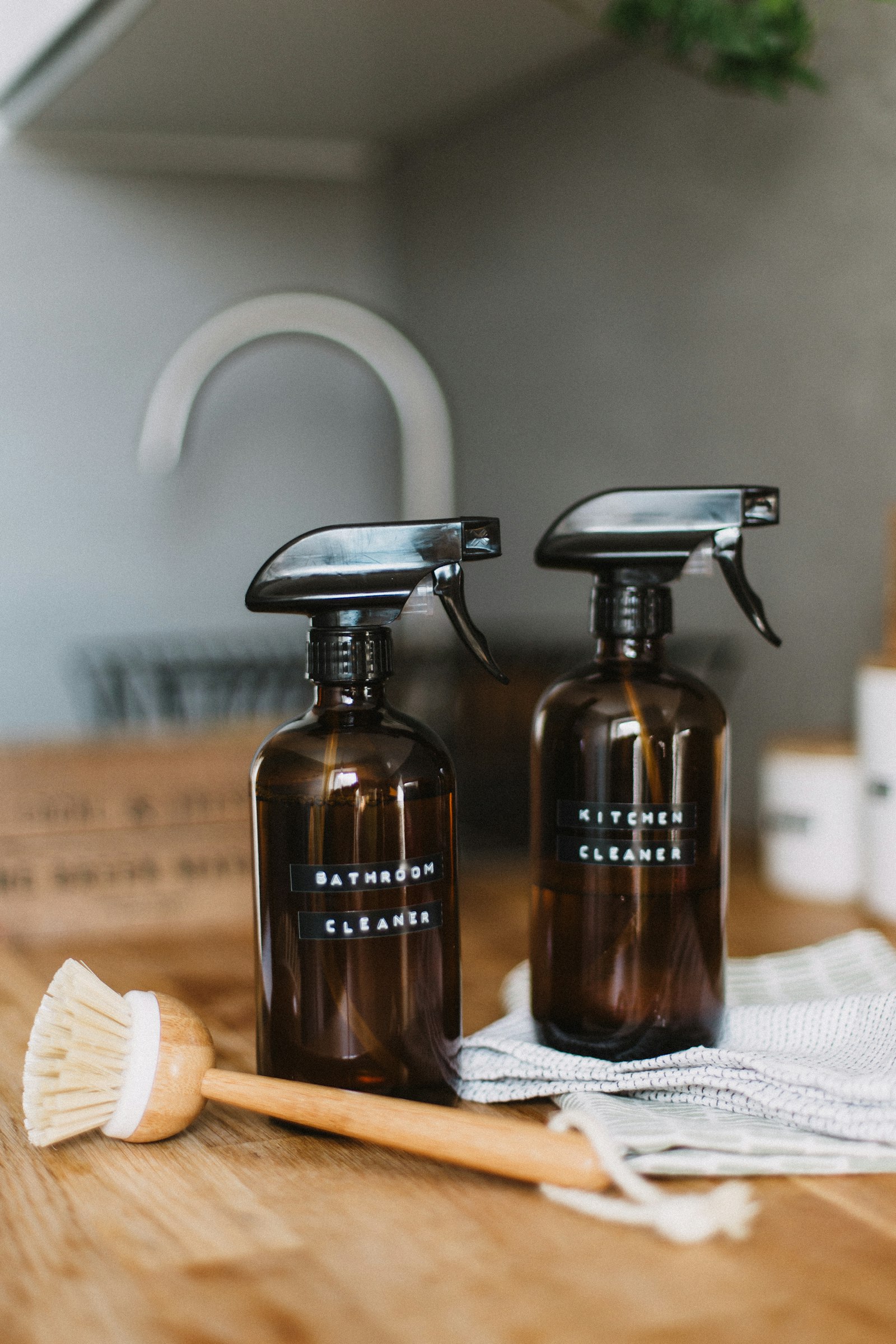
A basic kit may include dish soap, a bathroom cleaner that suits the surface, laundry detergent, and a disinfectant for the times you need one. Look for EPA Safer Choice where it applies, compare refill options, and avoid buying five products that do the same job.
A short cleaning routine you can keep
Most homes do fine with a simple rhythm. Wipe the kitchen counters and stove after cooking. Clean the bathroom sink and toilet once a week. Mop and vacuum when the floor looks like it needs it. Do a deeper scrub of the shower and fridge once a month. A routine you can keep beats a big weekend clean you dread.
The tools matter more than the spray
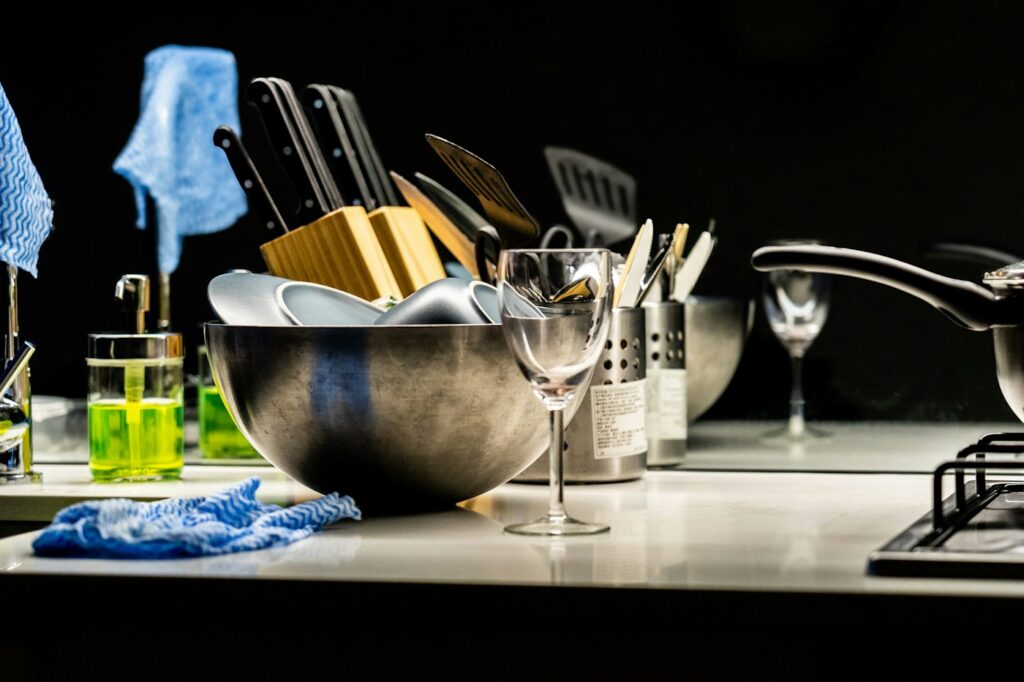
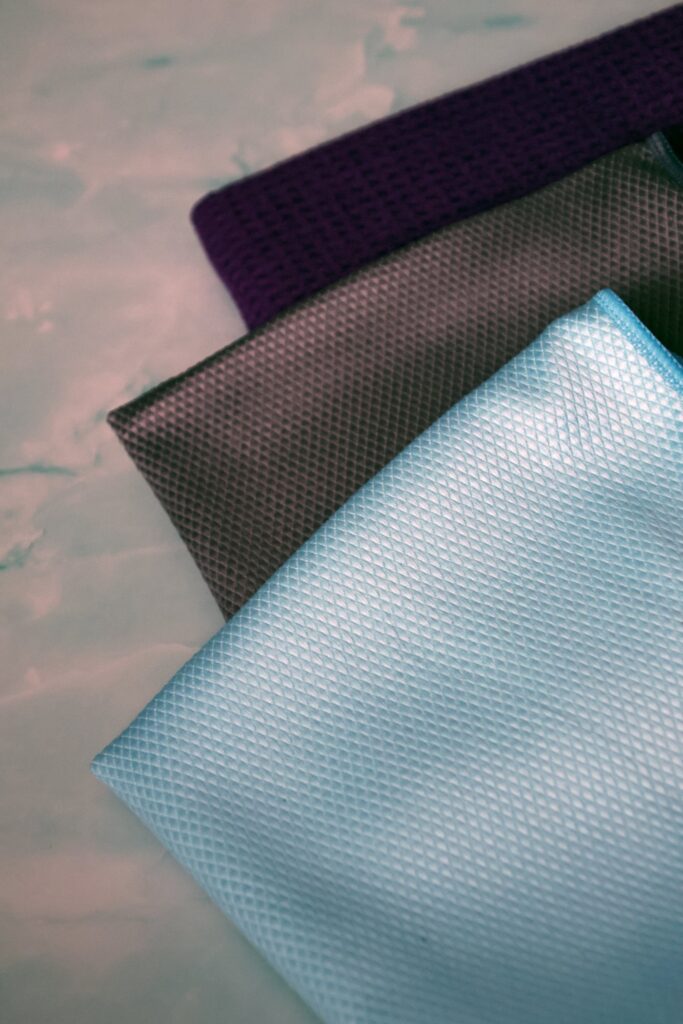
A few microfiber cloths, a scrub brush, a squeegee for the shower and a good mop do a lot of the work. Friction removes dirt, and that means you can use less product. Wash your cloths often, because a dirty cloth just moves germs around.
The kitchen and bathroom are where it counts
After raw meat touches a counter, clean it with soap and water, then use a suitable sanitizer or disinfectant following the label. In the bathroom, mold usually points to moisture, so run the fan and wipe the shower down. Cleaning a mold patch without fixing the damp means it will come back.
Be careful with homemade cleaners
Vinegar is popular, but it can damage natural stone like granite or marble and some finishes. Test a hidden spot, and when in doubt use mild soap and water. Do not mix products to make them stronger. Mixing is how people end up with fumes that send them outside coughing.
If you have kids or pets
Keep all cleaning products up high or locked, in their original bottles with the labels on. Let wet floors dry before little ones and pets walk on them, and open a window when you use anything strong. If a child swallows a cleaning product, call poison control right away.
Quick questions
Is vinegar a disinfectant?
Vinegar is not an EPA registered disinfectant. It can help with some cleaning jobs, but use a registered disinfectant when you need one.
Can I mix baking soda and vinegar for cleaning?
They fizz, but they mostly cancel each other out, so you do not get much cleaning power from the mix. Use them one at a time, and never add vinegar to bleach.
What is EPA Safer Choice?
It is a label for products whose ingredients meet EPA safety criteria. Check the product label for what a product is actually meant to do.
The swaps
Where to start when you shop.
| Instead of | Consider | Check first |
|---|---|---|
| A different spray for every surface | Dish soap and water, plus one disinfectant for when you need it | EPA registered, wet contact time on the label |
| Homemade vinegar mixes | One ingredient at a time | Never mix with bleach or hydrogen peroxide |
Brand names are examples to research, not a promise. Always check current details before you buy.
Your next step
Look at your cleaning shelf and pick the one product you reach for least. Use it up, and do not buy a replacement. For laundry, see our fragrance free laundry guide.
Where to read more
The CDC has cleaning and disinfecting guidance, EPA explains the Safer Choice label, and Poison Control shares advice on mixing household chemicals. Check the current pages.
Part of our Non-Toxic Living series
Start with Non-Toxic Living for Beginners. Next, try Fragrance free laundry or Indoor air quality.
Free Non-Toxic Home Starter Checklist
Ten small swaps, in the order that makes the most difference.
Get the free checklist

