
How to Improve Indoor Air Quality at Home: Ventilation, VOCs, and Filters
Indoor air depends on where pollutants come from and how air moves through your home. Start with the source, then add ventilation and filtration where they help.
This post may contain affiliate links. If you buy through them, I may earn a small commission at no extra cost to you. It is general information, not medical advice.
The short version
Deal with the source first, run the exhaust fan when you cook, and open windows when the air outside is clean. Use an air cleaner only if you need one. Working smoke and carbon monoxide alarms come before any gadget.
The air inside your home has sources
Indoor air is shaped by cooking, smoke, moisture, cleaning products, furnishings, outdoor pollution and ventilation. The EPA notes that some pollutants can be higher indoors than outdoors under certain conditions, though it varies by building and activity. Work out the likely sources before you buy a gadget.
What are VOCs?
Volatile organic compounds are chemicals that can evaporate into the air from some paints, solvents, cleaners, furnishings and other products. How much they matter depends on the compound and the exposure. “Low VOC” paint refers to a specific claim about emissions or content. It does not mean the paint releases nothing, and you still need to ventilate.
Source control comes first
Avoid smoking indoors, fix the cause of moisture and mold, use a range hood that vents outdoors if you have one, and follow the ventilation directions on products. If you are renovating, compare third party emissions certifications and allow plenty of airing out during and after installation. Dealing with the source is often more effective than trying to filter a steady emission.
Ventilation: useful with context
Opening windows can help when the air outside is clean, but it can make things worse during wildfire smoke, heavy traffic or high pollen. Use kitchen and bathroom exhaust fans where you have them and keep them maintained. Homes with mechanical ventilation need regular servicing so the airflow works as designed.
How to choose an air cleaner
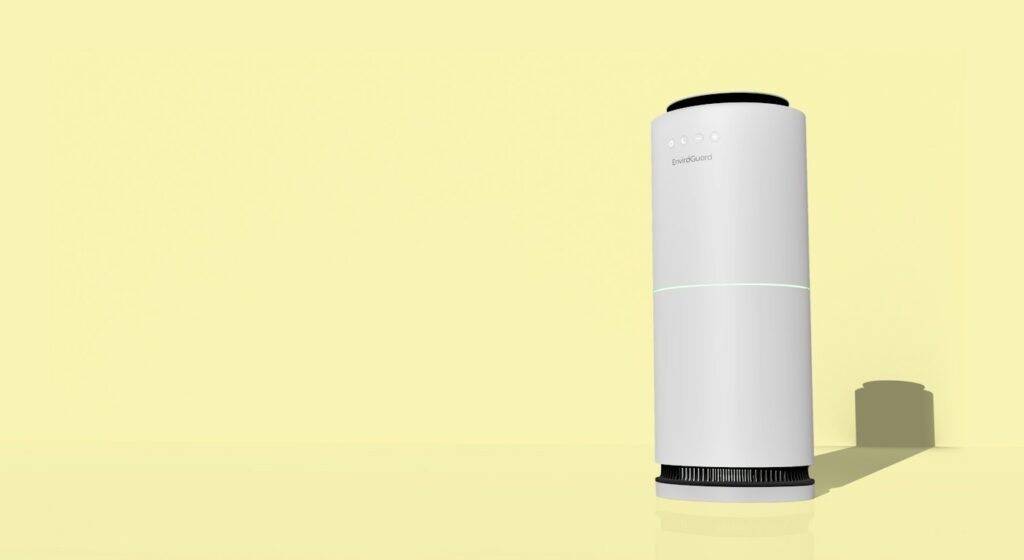
Portable air cleaners can reduce some airborne particles when they are the right size and used properly. Look at the Clean Air Delivery Rate, room size, filter replacement costs and noise. HEPA filtration targets particles, not all gases, and activated carbon varies widely in how well it handles gases. Avoid devices that deliberately produce ozone.
A practical weekly air routine
Use the exhaust fan when you cook, fix leaks quickly, dust with a damp cloth, vacuum with a good filter and change your HVAC filter as recommended. If you have lasting odors, visible mold or worries about combustion, find the source instead of relying on a purifier to cover it up.
Cooking is the big one
For many homes, the kitchen is where indoor air takes the biggest hit. Frying, broiling and using a gas stove can add particles and gases. A range hood that vents outdoors is the best fix, and you should turn it on every time you cook. Hoods that only recirculate air mostly catch grease and smell, so they help less. If you cannot use a hood, open a window and run a fan.
Humidity and mold
Damp air invites mold and dust mites. The EPA suggests keeping indoor humidity between roughly 30 and 50 percent. Use the bathroom fan, fix leaks quickly, dry wet towels and wipe condensation off windows. A cheap humidity monitor tells you more than guessing.
Candles, incense and sprays
Candles, incense and air fresheners can add particles and chemicals to the air. You do not have to give up what you enjoy. Burn them less often, keep a window cracked, and skip the plug in versions that run all day. If a scent gives someone in your home a headache, take that seriously.
The two alarms people forget
Working smoke and carbon monoxide alarms matter more than any purifier. Test them regularly and replace them when they expire. It is also worth looking into a radon test, which is inexpensive and can be done with a home kit. These are about safety, not wellness trends.
Filters and seasons
Check your HVAC filter every month or two and change it as the maker advises. A higher rated filter is not always better, because some systems cannot handle the extra resistance, so check your system’s manual. In a smoky or high pollen season, keep windows closed and let the filter and a properly sized air cleaner do the work.
Quick questions
Do air purifiers remove VOCs?
HEPA filters capture particles, not gases. Some units add activated carbon for gases, but results vary a lot. Reducing the source works better.
Is low VOC paint odor free?
No. Low VOC means lower levels of certain compounds, not none. Ventilate while you paint and for a while afterward.
Should I open windows every day?
Often yes, when the air outside is clean. Skip it during wildfire smoke, high pollen or heavy traffic, and use exhaust fans instead.
The swaps
Where to start when you shop.
| Instead of | Consider | Check first |
|---|---|---|
| Plug in air fresheners | Fixing the source and opening a window or running a fan | Whether the smell is coming from moisture or mold |
| A random air purifier | One sized for the room, with a CADR rating | Filter cost, noise, and that it does not make ozone |
Brand names are examples to research, not a promise. Always check current details before you buy.
Your next step
Walk through your home and list the three biggest air sources, such as cooking, candles or fresh paint. Start with the one you can change this week. Our beginner swap list can help you plan the rest.
Where to read more
The EPA has guidance on volatile organic compounds and a guide to air cleaners in the home. Check the current versions.
Part of our Non-Toxic Living series
Start with Non-Toxic Living for Beginners. Next, try Cleaning basics or Water filter guide.
Free Non-Toxic Home Starter Checklist
Ten small swaps, in the order that makes the most difference.
Get the free checklist