Non Toxic Shower Curtains and Bath Mats: What to Look For
This post may contain affiliate links. If you buy through them I may earn a small commission at no extra cost to you.
If there’s one room where I think small changes can make a noticeable difference, it’s the bathroom. You don’t need a full renovation or a collection of expensive products to make it feel better. Sometimes it’s as simple as replacing an old shower curtain, finding a bath mat that’s easier to wash or getting rid of something that holds onto smells.
But when shopping for bathroom essentials, have you ever stopped to look at what they’re made of? Shower curtains and bath mats come in all sorts of materials. Some are flexible plastics, others cotton, polyester, rubber or wood. Most are designed to handle everyday moisture, but their materials and finishes can differ quite a bit.
If you’re trying to make more thoughtful choices at home, here’s what I’d look for before buying your next shower curtain or bath mat.
If you want to skip flexible vinyl, look for a clearly labeled PVC free curtain or a washable fabric one. For bath mats, cotton is an easy everyday pick, and the backing is worth checking. Whatever you choose, it needs to dry well between uses.
- Why Pay Attention to Your Shower Curtain?
- PVC vs PEVA: What’s the Difference?
- What About Fabric Shower Curtains?
- Choosing a Better Bath Mat
- Don’t Forget the Bath Mat Backing
- What Does OEKO-TEX Certification Mean?
- How to Keep Your Shower Curtain and Bath Mat Clean
- What I’d Look for Before Buying
- A Few Bathroom Upgrades Worth Making Over Time
- Frequently Asked Questions
- A Final Thought
Why Pay Attention to Your Shower Curtain?
A shower curtain might seem like an unimportant purchase. You pick a color or pattern, hang it up and get on with your day. The material is still worth a look.
Some inexpensive shower curtains are made from PVC, also known as polyvinyl chloride or vinyl. PVC can be made flexible using additives called plasticizers, and one group of plasticizers used in some flexible PVC products is phthalates. According to Biomonitoring California, phthalates are used in flexible vinyl products, including certain shower curtains, and some phthalates are of concern because of their potential effects on hormone systems and reproductive development.
That doesn’t mean every PVC shower curtain contains the same chemicals, or that having one in your bathroom will make you ill. It does give you a reason to look at the material rather than buying on price alone.
Some new shower curtains also have a strong chemical smell. That can come from substances released by the material or from manufacturing residues, but smell alone can’t tell you exactly which chemicals are present or whether a product is harmful. If a new curtain has a strong odor, airing it out according to the maker’s instructions before use is sensible. Better still, choose a product with clear material information.
PVC vs PEVA: What’s the Difference?
When shopping for a PVC free shower curtain, you’ll probably come across PEVA and EVA. The names sound alike, but they’re different materials.
PVC shower curtains
PVC is widely used because it’s inexpensive, flexible and water resistant. Some flexible PVC uses phthalates for softness, and depending on the formulation it may contain other additives too. If you’re trying to use fewer flexible vinyl products, a curtain labeled PVC free is a reasonable alternative.
PEVA shower curtains
PEVA stands for polyethylene vinyl acetate. It’s often marketed as an alternative to PVC because it doesn’t need the same phthalate plasticizers commonly used in flexible PVC. That makes it worth considering if you specifically want to avoid PVC. Still, PEVA is not a natural material, and PVC free doesn’t automatically mean chemical free. Manufacturing quality and any added ingredients still matter.
EVA shower curtains
EVA, or ethylene vinyl acetate, is another flexible plastic used in household products and often offered as a PVC alternative. Check the maker’s material information rather than assuming every EVA product is the same.
Which one would I choose?
If I were buying a new plastic shower curtain, I’d start with a clearly labeled PVC free PEVA or EVA option from a maker that shares useful product information. I’d skip anything that just says non toxic on the packaging without explaining what it’s made from.
What About Fabric Shower Curtains?
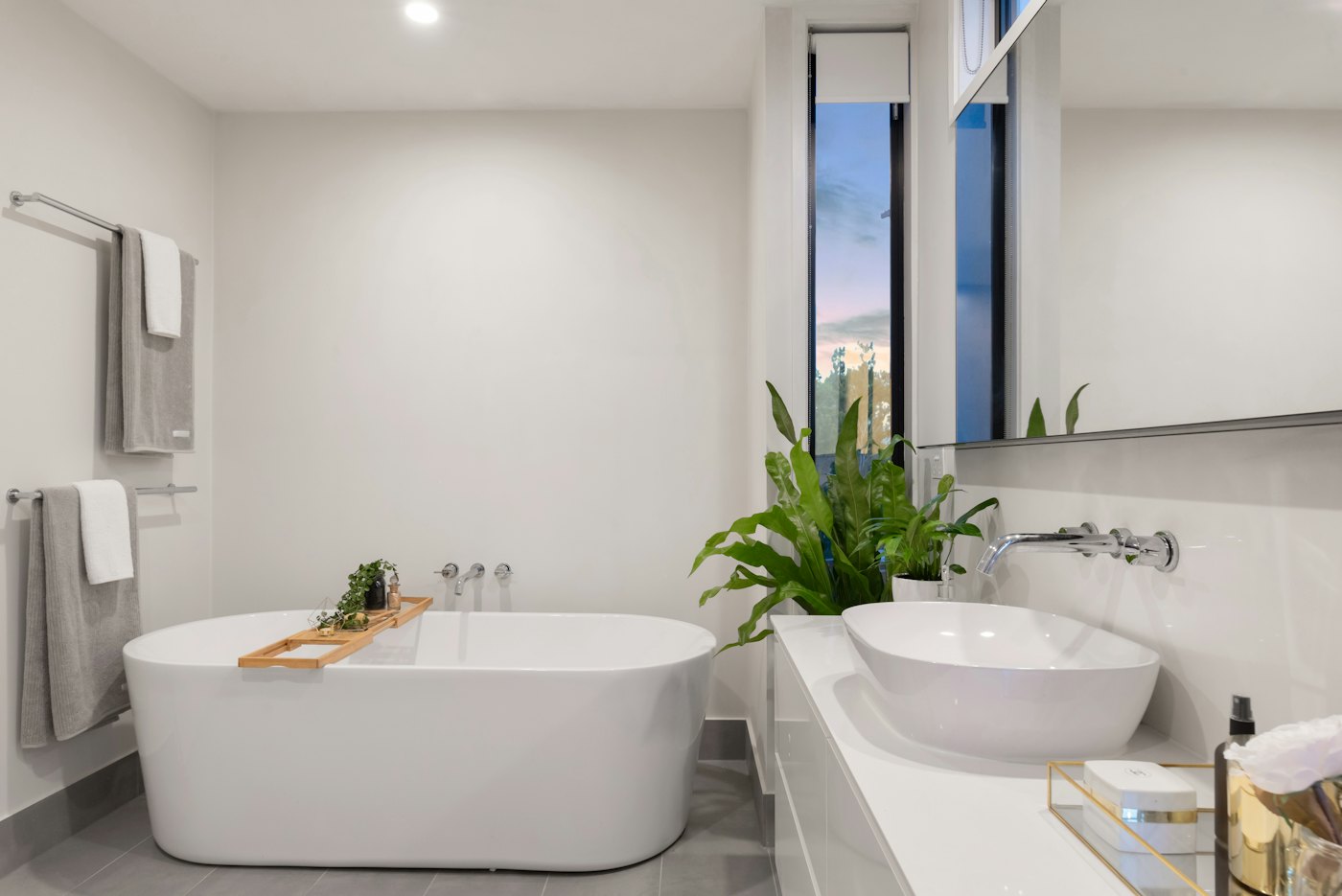
If you prefer a softer, more traditional look, fabric curtains are another option. They can make a bathroom feel less purely functional and more like a room that’s been put together with care.
- Cotton: a natural fiber that’s comfortable and comes in lots of colors and textures. It needs proper drying because it absorbs moisture.
- Organic cotton: similar to conventional cotton, but grown under an organic certification system. Look for credible certification rather than relying on the word organic alone.
- Hemp: a plant based textile used for home furnishings. Check the weave, finish and washing instructions.
- Polyester: a synthetic fabric often used for shower curtains because it dries fairly quickly and is easy to maintain.
Fabric curtains are not necessarily waterproof on their own. Some are made to be used with a separate liner, and others have water resistant treatments. If you choose one, check whether any treatment or coating is disclosed, and make sure it can be washed and dried properly. For me, easy care would be a big factor. A beautiful curtain isn’t much use if it stays damp and becomes hard to keep clean.
Choosing a Better Bath Mat
A bath mat has a simple job: give you somewhere comfortable to step after a shower and absorb water from wet feet. Because it’s damp so often, the material and backing matter.
Cotton bath mats
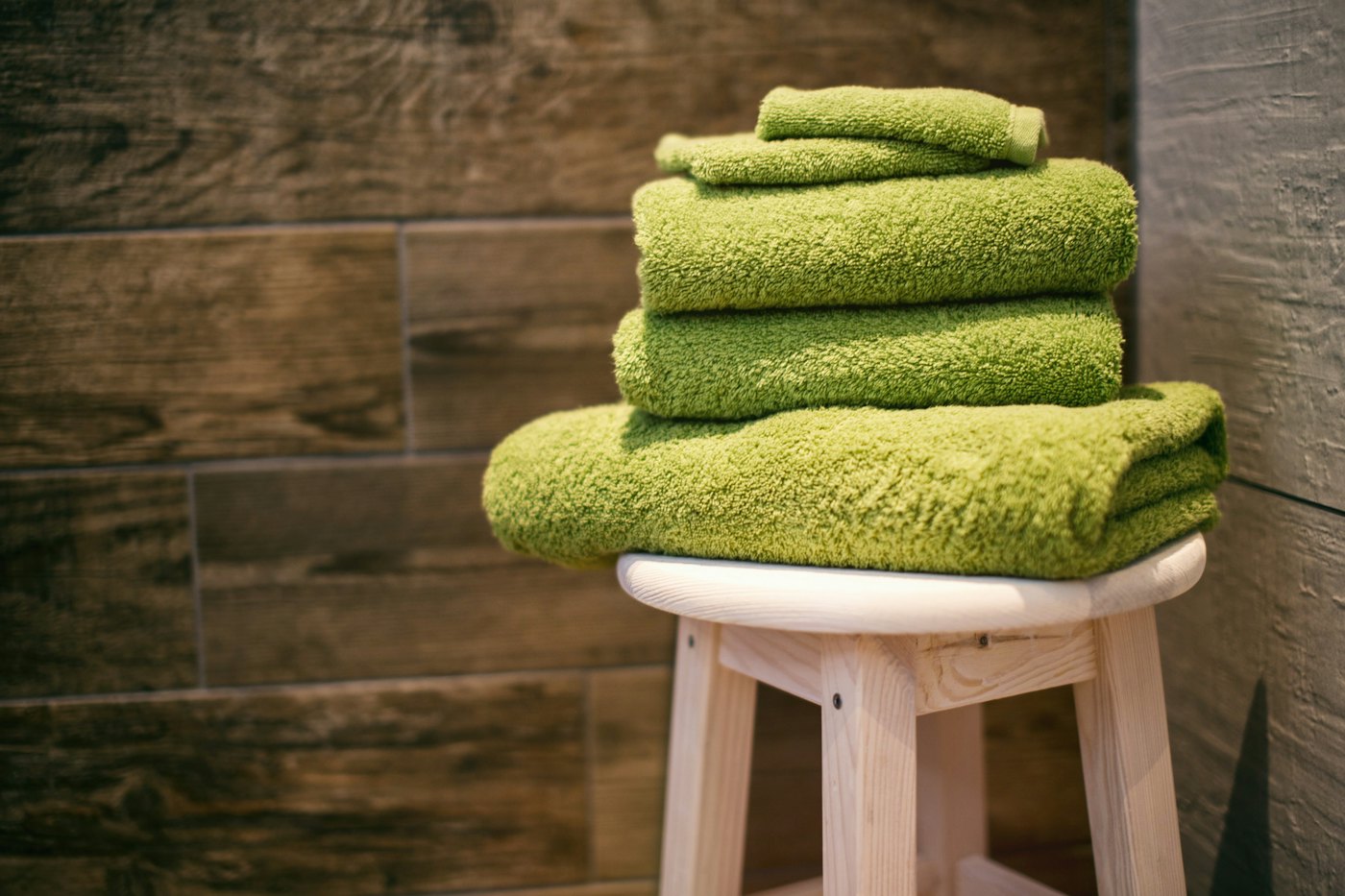
Cotton is one of the simplest choices for an everyday mat. It’s soft, absorbent and generally easy to wash, and you can find everything from plain white to textured and thicker woven styles. Organic cotton is another option if you prefer certified organic textiles. Look for a mat you can machine wash and dry according to the instructions, since this is the kind of mat you can wash often instead of leaving it in the bathroom indefinitely.
Bamboo bath mats
These are usually made from bamboo slats rather than soft bamboo fabric. They feel completely different from cotton. Instead of absorbing water, they let it drip through while keeping your feet slightly raised above the floor. They suit a simple, spa like look, but you’ll need to wipe them down regularly, let them dry properly and check underneath for trapped moisture. Look for smooth edges, a stable build and non slip feet.
Diatomaceous earth bath mats
You’ve probably seen these advertised as stone mats that soak up water almost instantly. They’re made from diatomaceous earth, a naturally occurring porous material, and they have a clean, minimal look. They can be brittle, and some need occasional sanding to restore the surface. Check the maker’s care instructions, especially if there’s a backing or surface treatment.
Microfiber bath mats
Microfiber mats are made from synthetic fibers and are often very soft and absorbent. They can be practical and dry reasonably quickly. The downside is that they’re synthetic, and their backing may contain other materials worth checking. If you’re trying to cut back on synthetics at home, cotton may be a better starting point.
Don’t Forget the Bath Mat Backing
This is one of the details I’d pay particular attention to. You might find a lovely cotton mat, turn it over and discover the underside is coated with a synthetic non slip material. That doesn’t automatically make it a bad product, but it’s worth knowing what you’re buying.
Some bath mats use PVC or synthetic rubber style coatings to stop slipping. If you’re avoiding PVC, check the backing before you buy. You may find options with natural rubber or latex backing, or non slip designs made from other materials. Natural rubber and latex aren’t suitable for everyone, so people with latex allergies should read product information carefully. And natural rubber isn’t automatically better in every way, since the finished product, additives and care still matter.
If you’d rather avoid coated backing altogether, you could choose a simple cotton mat with a separate non slip underlay that has clearly disclosed materials. Just make sure the combination is suitable for bathroom use.
What Does OEKO-TEX Certification Mean?
When shopping for fabric shower curtains and cotton bath mats, you may see the OEKO-TEX STANDARD 100 label. It’s a textile testing system that checks products and their components against a list of substances that may be harmful to human health. The testing considers how the textile is used, and products with more direct skin contact face stricter requirements.
If you’re buying a fabric curtain or bath mat, look for a valid certificate that covers the actual finished product. You can also check certificate information through the official OEKO-TEX Label Check. One important point: OEKO-TEX certification is not a guarantee that a product is completely chemical free, and it doesn’t tell you everything about environmental impact or durability. It’s one useful piece of information when comparing textiles.
How to Keep Your Shower Curtain and Bath Mat Clean
Even with materials you’re happy with, upkeep matters. Bathrooms are damp spaces, and moisture can encourage mold and mildew when surfaces don’t dry properly.
- Spread out your shower curtain after use. Pull it across the shower so it dries evenly instead of leaving it bunched in a corner.
- Keep the bathroom ventilated. Use an exhaust fan if you have one, or open a window when practical.
- Wash fabric curtains regularly. Follow the care label and let the curtain dry completely before rehanging.
- Wash your bath mat often. Mats collect water, dead skin cells and everyday residue, so don’t wait until it smells.
- Hang the mat to dry. Lift it off the floor after use so the underside can dry too.
- Check under non slip mats. Moisture can get trapped between the mat and the floor, so clean and dry both surfaces.
If you notice persistent mold, deal with the moisture problem rather than just replacing the mat or curtain. I wrote a separate guide on that, linked below.
What I’d Look for Before Buying
For shower curtains
- PVC free material if you want to avoid flexible vinyl.
- PEVA, EVA or a suitable fabric option.
- Clear information about the material and any coatings.
- Washable construction where applicable.
- No added fragrance.
- A design that dries properly.
For bath mats
- Cotton or another material you find comfortable.
- A washable design.
- Clearly disclosed backing material.
- A practical non slip solution.
- A size that fits your bathroom.
- Care instructions that are realistic for your routine.
You don’t need the most expensive products to get this right. A simple cotton mat and a well made PVC free curtain can be perfectly reasonable purchases.
A Few Bathroom Upgrades Worth Making Over Time
If you’re gradually making your home more thoughtful, start with the items that are already worn out or hard to maintain.
- Replace an old shower curtain that has stains or damage.
- Swap a worn out bath mat for a washable cotton one.
- Choose a curtain with clear material information when you replace it.
- Add a simple hook or rail for drying your bath mat.
- Improve ventilation if the bathroom stays damp.
A bathroom doesn’t need lots of decorative accessories to feel lovely. A clean curtain, a comfortable mat and a little breathing room go a long way.
The swaps
| Instead of | Try | Look for |
|---|---|---|
| Old PVC curtain with a strong chemical smell | PVC free PEVA or EVA, or a washable fabric curtain | Clear material and coating information, no added fragrance |
| Bath mat with a coated backing you cannot identify | A washable cotton mat | A named backing material and machine wash care |
What the research says
Biomonitoring California tracks chemicals such as phthalates that show up in everyday consumer products, including flexible vinyl. For fabric curtains and cotton mats, the OEKO-TEX STANDARD 100 FAQ explains what that label does and does not cover. Once you have new ones hanging, read mold in the bathroom: simple fixes to keep them clean and dry.
Frequently Asked Questions
What is the best non toxic shower curtain material?
There isn’t one perfect material for everyone. PVC free PEVA, EVA and well made fabric curtains are all worth considering. Check the full composition and any coatings before buying.
Is PEVA better than PVC for shower curtains?
PEVA is commonly used as a PVC alternative and doesn’t need the same phthalate plasticizers often used in flexible PVC. It is still a synthetic material, so check the maker’s information rather than assuming every product is the same.
Are PVC shower curtains toxic?
Some flexible PVC products contain phthalates and other additives. Exposure depends on the formulation and how it’s used. If you prefer to avoid flexible vinyl, look for a clearly labeled PVC free alternative.
Are cotton bath mats better than microfiber?
Cotton is a good choice if you like natural fibers, absorbency and easy washing. Microfiber is soft and light but made from synthetic fibers. Both need regular cleaning and proper drying.
Is natural rubber okay for bath mat backing?
It can be a useful alternative to PVC based backing. Check the maker’s material information, especially if you have a latex allergy.
Does OEKO-TEX mean a shower curtain is completely non toxic?
No. OEKO-TEX STANDARD 100 means the certified product was tested against specified harmful substance criteria. It’s a useful textile certification, not a guarantee that a product contains no chemicals at all.
How often should I wash my bath mat?
It depends on how often it’s used and how quickly it dries. As a starting point, wash it at least weekly, and more often if it stays damp, gets soiled or smells. Always follow the care label.
A Final Thought
Your bathroom should be easy to live with. You shouldn’t have to spend a fortune replacing every plastic item to make it feel better. Start with the things you use every day, pay attention to the materials, choose products that are easy to clean and make sure everything has time to dry.
Sometimes the best home upgrade isn’t another decorative purchase. It’s choosing something that works better and is easier to look after.
Where to Read More
- Biomonitoring California: chemicals and consumer products
- OEKO-TEX: STANDARD 100 frequently asked questions
Pages change over time, so check the current version.
Products to look at
- BigFoot Clear Shower Curtain, 72×72, PEVA
A PVC free PEVA curtain with magnets, washable. - Gorilla Grip 100% Natural Rubber Bath Mat
A natural rubber mat. Skip it if anyone in the house has a latex allergy.
As an Amazon Associate I earn from qualifying purchases.
Keep reading
- Mold in the bathroom: simple fixes before you buy anything
- Non toxic rugs and carpets: what matters when you buy
- How to read any cleaning product label in one minute
- Do you need an air purifier?
- The free Non Toxic Home Starter Checklist
Grab the free Non Toxic Home Starter Checklist.