Non Toxic Rugs and Carpets: What Matters When You Buy
This post may contain affiliate links. If you buy through them I may earn a small commission at no extra cost to you.
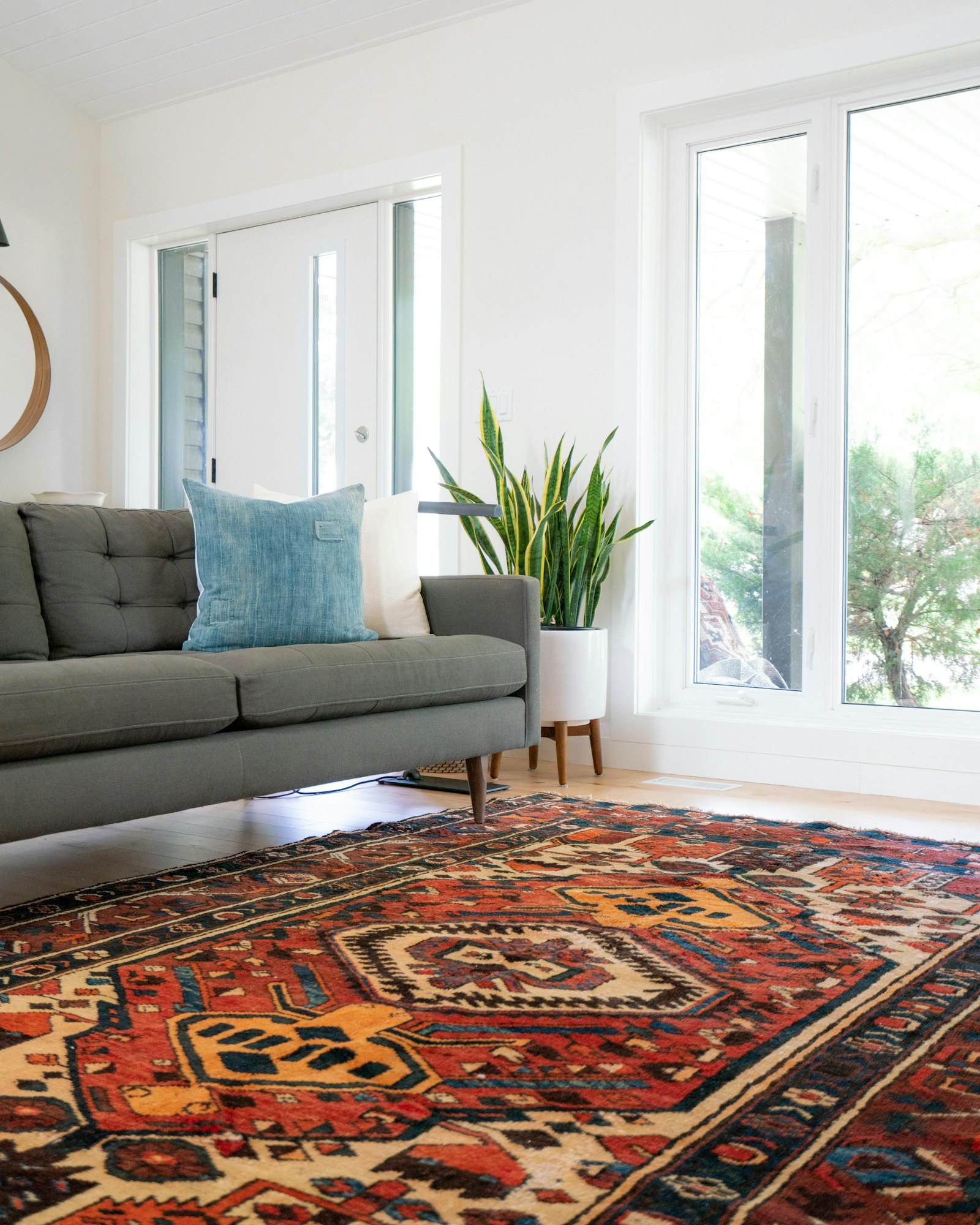
A rug can completely change how a room feels. It adds warmth to a bedroom, makes a living room feel more finished and gives a little softness to spaces that would otherwise feel bare. It’s also one of those purchases you use every day without thinking much about what went into making it.
If you’re trying to make more thoughtful choices about the materials in your home, rugs and carpets are worth considering. They can be made from natural or synthetic fibers, and the backing, dyes, adhesives and stain resistant treatments can vary quite a bit.
That doesn’t mean you need to replace every rug you own or avoid synthetic materials altogether. It just means looking beyond the color and pattern can help you buy with more information. Here’s what to know.
The main fiber is only part of the story. Check the backing, dyes, any stain resistant treatment and whether the product has real low emission testing, then pick the material that suits the room and how you clean.
Start With the Material
The fiber is usually the first thing people look at. Some fibers are natural and others are manufactured, and each has practical advantages, so the best option depends on where the rug will go and how much upkeep you’re comfortable with.
Wool rugs
Wool is a natural fiber commonly used in rugs and carpets. It’s soft, resilient and naturally textured, and a well made wool rug can last for years with proper care. It’s also a good pick if you want something warm underfoot. Not every wool rug is made the same way, though, since dyes, backing, adhesives and finishing treatments still vary. Wool can cost more than synthetic options and may need careful cleaning.
What to check: clear information about the wool content, dyes, backing and cleaning instructions. If you’re choosing wool for its natural origin, don’t assume every part of the finished rug is untreated.
Organic cotton rugs
Cotton rugs are often lightweight and easy to move around. They work well in smaller spaces, bedrooms, bathrooms and anywhere you want something simple and washable. Organic cotton is grown under organic farming standards, and if the finished textile is certified to a recognized standard, that gives you more information about how it was processed. Look for certifications such as GOTS when a product claims organic textile fibers. A cotton rug may still have a synthetic backing, dyes or other components.
What to check: the full material description, not just the words organic cotton in the title.
Jute and sisal rugs
Jute and sisal are plant fibers that give a natural, textured look. They work well with wood, linen and cream furniture. Jute is generally softer, while sisal is firmer. Both can suit living rooms and other fairly dry spaces. They’re not ideal everywhere, though. Plant fiber rugs can be hard to clean if they get really wet, and some are treated or backed with other materials.
What to check: the backing, dyes and recommended cleaning method. Skip damp areas unless the maker says it’s fine.
Synthetic rugs
Synthetic rugs are commonly made from polypropylene, polyester or nylon. They’re often more affordable, easy to find and available in washable or stain resistant designs, which makes them practical for high traffic areas, kids and spills. A synthetic rug isn’t automatically a poor choice. The point is to understand the material and any added treatments, since some products use stain resistant coatings, odor control treatments or other finishes.
What to check: the fiber, backing, finishes and emissions testing. If a product says PFAS free, check whether the maker explains what that claim covers.
What Does Low VOC Mean?
You may have seen rugs and carpets advertised as low VOC. VOCs are volatile organic compounds, chemicals that can be released into the air from certain products and materials. Some new carpets, rug backings, adhesives and finishes may release VOCs, especially when first unpacked or installed. This is sometimes called off gassing, and the amount and type vary by product and how it’s made.
A low VOC claim is only useful when you know what testing or certification stands behind it.
What is Green Label Plus?
Green Label Plus is a certification program run by the Carpet and Rug Institute. It identifies carpet, carpet cushion and adhesive products that have been tested for VOC emissions and meet the program’s low emission criteria. If you’re buying wall to wall carpet, padding or installation adhesive, it’s worth looking for.
It doesn’t mean the product contains no chemicals. It means the product met specific indoor air quality testing requirements. For a rug, check whether the actual product or component is covered rather than assuming the whole brand or collection is.

Don’t Forget the Rug Backing
A rug’s backing is easy to overlook because you rarely see it once the rug is down, but it’s an important part of the product. Some rugs use natural latex, synthetic latex, rubber, felt or other materials, and others have a woven backing made from the same or a different fiber. The backing affects how the rug feels, how it wears and whether you need a separate pad.
If you’re trying to choose a lower emission product, ask the maker what the backing is made from. Also think about your flooring. Some rubber backed products can discolor or react with certain floor finishes, so check the flooring maker’s recommendations before putting a new rug or pad down.
What About Rug Pads?
A rug pad keeps a rug in place, reduces movement and adds cushioning. It’s especially useful on smooth floors where rugs slide. Pads are made from different materials, including rubber, felt, PVC and synthetic foam, so pay attention to both the rug and the pad. A natural rubber or felt pad may be worth considering, but don’t assume every product labeled natural rubber suits every floor. Look for:
- Clear material descriptions.
- Compatibility with your floor finish.
- Non slip performance.
- Information about odors and emissions.
- Care and cleaning instructions.
A pad should make your home safer and more comfortable, not create a new flooring problem.
Should You Avoid Stain Resistant Rugs?
Stain resistant rugs are convenient, especially where spills are part of daily life. Some stain resistant finishes use chemical treatments, and certain treatments have historically involved PFAS, a large group of chemicals known as per and polyfluoroalkyl substances. Not every stain resistant rug contains PFAS, though. If you want to avoid them, look for a clear PFAS free statement and ask the maker what it covers.
You can also choose a rug that doesn’t rely on a stain resistant finish. A washable cotton rug or a simple wool rug may be easier to care for in some homes. It’s worth thinking about how you actually use a room before paying extra for a treatment you may not need.

Are Natural Rugs Always Better?
Not necessarily. A rug made from wool, cotton or jute may seem like the obvious choice if you want fewer synthetics, but the finished product can include more than the main fiber, such as dyes, adhesives, backing, stain treatments and other finishes. Natural fibers can also need more upkeep. A beautiful jute rug may not be the best fit for a wet entryway.
The better question isn’t just whether a rug is natural. It’s whether the complete product suits your home, is clearly described and is made with materials you’re comfortable choosing.
How to Choose a Rug for Each Room
- Living room: a wool rug is a comfortable, durable option, and a well made synthetic one works if you want easier upkeep. Make sure the backing and pad suit your flooring.
- Bedroom: a good place to prioritize softness. Wool and cotton are both worth a look, depending on budget and texture. If emissions concern you, look for low emission testing information.
- Bathroom: you need materials that handle moisture and frequent washing. A washable cotton bath rug is usually more practical than jute. Make sure it dries between uses and has a suitable non slip backing.
- Kitchen and entryway: more foot traffic and spills, so a washable rug or a durable, easy to clean synthetic may be more practical than a delicate natural fiber.
You don’t need the most expensive material for every room.
How to Reduce New Rug Odors
If you’ve ever unpacked a new rug and noticed a strong smell, you’re not alone. New product odors can come from fibers, backing, adhesives, packaging and finishes. A smell doesn’t tell you which chemical is present or whether the exposure is harmful, but a strong or lingering odor is a fair reason to look closer. When possible:
- Unpack the rug in a well ventilated area.
- Let it air out following the maker’s instructions.
- Vacuum it if the care instructions allow.
- Skip fragrance sprays to cover the smell.
- Contact the maker if the odor is unusually strong or doesn’t improve.
If you’re buying fitted carpet, ask about the carpet, cushion and adhesive separately.
My Simple Rug Shopping Checklist
Before buying a new rug, check:
- What is the main fiber?
- Is the backing material shared?
- Are dyes and finishing treatments described?
- Does it have a stain resistant treatment?
- Is there a clear PFAS free claim, if that matters to you?
- Is it tested or certified for low VOC emissions?
- Does it suit the room where you’ll use it?
- Can you clean it without damaging the fibers?
- Is the rug pad compatible with your flooring?
You don’t have to find a perfect rug. You just need enough information to choose one that works for your home.
The swaps
| Instead of | Try | Look for |
|---|---|---|
| Rug with an unknown backing and strong smell | A rug where the maker names the fiber, dyes and backing | Low emission testing such as Green Label Plus for carpet products |
| Stain resistant finish you do not need | A washable cotton or simple wool rug | A clear PFAS free statement if that matters to you |
What the research says
The Carpet and Rug Institute runs Green Label Plus, which tests carpet, cushion and adhesive products for VOC emissions. It is one of the few low emission labels aimed at flooring, but it covers specific products, so check the exact item you are buying. Related: do you need an air purifier and what is PFAS?.
Frequently Asked Questions
What are the best non toxic rugs?
No single material guarantees a chemical free rug. Wool, cotton, jute and sisal are natural fiber options worth considering, and synthetic rugs can be practical too. Look at the backing, dyes, treatments and emissions information as well as the main fiber.
Are wool rugs better than synthetic rugs?
Wool is a natural, resilient fiber and can be a lovely long lasting option. Synthetic rugs are often more affordable and easier to clean. The better choice depends on your household, budget, room and how the whole rug is made.
Do new rugs release VOCs?
Some rugs and carpets may release VOCs from fibers, backing, adhesives or finishes. Emissions vary by product. Low emission testing and ventilation can help you buy with more information.
What is Green Label Plus?
It’s a Carpet and Rug Institute program that tests carpet, carpet cushion and adhesives for VOC emissions and identifies products that meet its low emission criteria.
Are PFAS used in rugs?
Some stain resistant treatments have used PFAS, but that doesn’t mean all rugs or all stain resistant rugs contain them. Check the maker’s product specific information if you want to avoid PFAS.
Are natural rubber rug pads okay for hardwood floors?
Not every pad suits every floor finish. Check your flooring maker’s recommendations and the pad maker’s compatibility information first.
Is an organic cotton rug chemical free?
No. Organic describes how the cotton fiber was grown under a particular standard. The finished rug may still have dyes, backing materials and other components.
A Final Thought
A rug should make your home feel more comfortable, not turn into another complicated shopping decision. Start with the room, think about how you use it and look at the whole product rather than the marketing on the front of the label. A simple, well made rug that suits your home and lasts for years is a better purchase than constantly replacing cheaper ones.
Where to Read More
Pages change over time, so check the current version.
Products to look at
- nuLOOM Hand Woven Chunky Natural Jute Area Rug
A natural jute rug for dry rooms. Ask about the backing. - Lorena Canals Washable Cotton Rug
A cotton rug that goes in the washing machine, handy with kids.
As an Amazon Associate I earn from qualifying purchases.
Keep reading
- Non toxic shower curtains and bath mats
- Do you need an air purifier?
- What is PFAS in the kitchen?
- How to read any cleaning product label in one minute
- The free Non Toxic Home Starter Checklist
Grab the free Non Toxic Home Starter Checklist.