
Non-Toxic Food Storage: Glass vs Plastic and Smart Kitchen Swaps
Food storage is one of the easiest places to make a small change. This guide covers what BPA free really means, when glass makes sense, and how to swap containers a few at a time.
This post may contain affiliate links. If you buy through them, I may earn a small commission at no extra cost to you. It is general information, not medical advice.
The short version
Glass is the easiest swap for reheating, plastic is fine for cold dry foods, and BPA free does not mean chemical free. Replace worn containers first and add glass a few at a time.
Start with how a container is used
The best choice depends on whether you are freezing soup, packing lunch, reheating leftovers or organizing dry foods. Food contact plastics are regulated for their intended uses, and different resins behave differently. A recycling number names a type of plastic. It is not a promise that the container is microwave safe or free of chemical exposure.
What BPA free actually means
BPA is a chemical used in some polycarbonate plastics and epoxy resins. A “BPA free” claim is about BPA only, not every other additive or replacement chemical. The FDA considers BPA safe at the levels currently used in food packaging, while some scientists disagree and keep studying it. If you would rather limit plastic that touches your food, glass or stainless steel are simple choices, and you do not need to believe every plastic container is dangerous to make that call.
Heating food and plastic containers
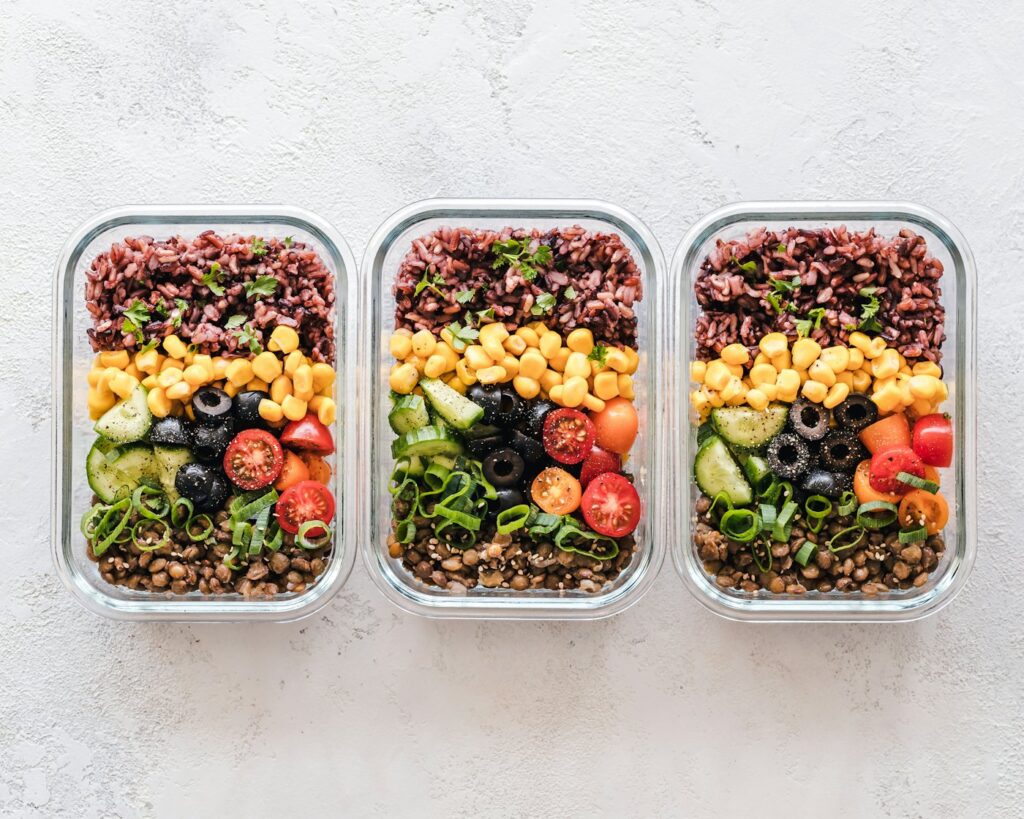
Only use a container in the microwave if the label says you can. Follow the instructions about lids, time and temperature. Heat, wear and the type of food can all affect what moves from plastic into food, but a blanket claim that all plastic in the microwave is hazardous goes beyond the evidence. Glass marked microwave safe is a straightforward option for reheating.
Glass containers: benefits and limits
Glass does not hold onto odors the way many plastics do, and you can see your leftovers at a glance. It is heavier, it can break, and it may not handle sudden temperature changes unless it is made to. Check whether the glass, the lid and the seal have different care instructions. A glass base with a plastic lid still needs sensible handling.
Stainless steel and silicone options
Food grade stainless steel works well for lunches and dry snacks, but steel containers cannot go in the microwave. Silicone bags and lids are handy for flexible storage. Check that the actual product is rated for food contact and for the temperatures you plan to use. Neither material is the best choice for every situation.
A low waste swap plan
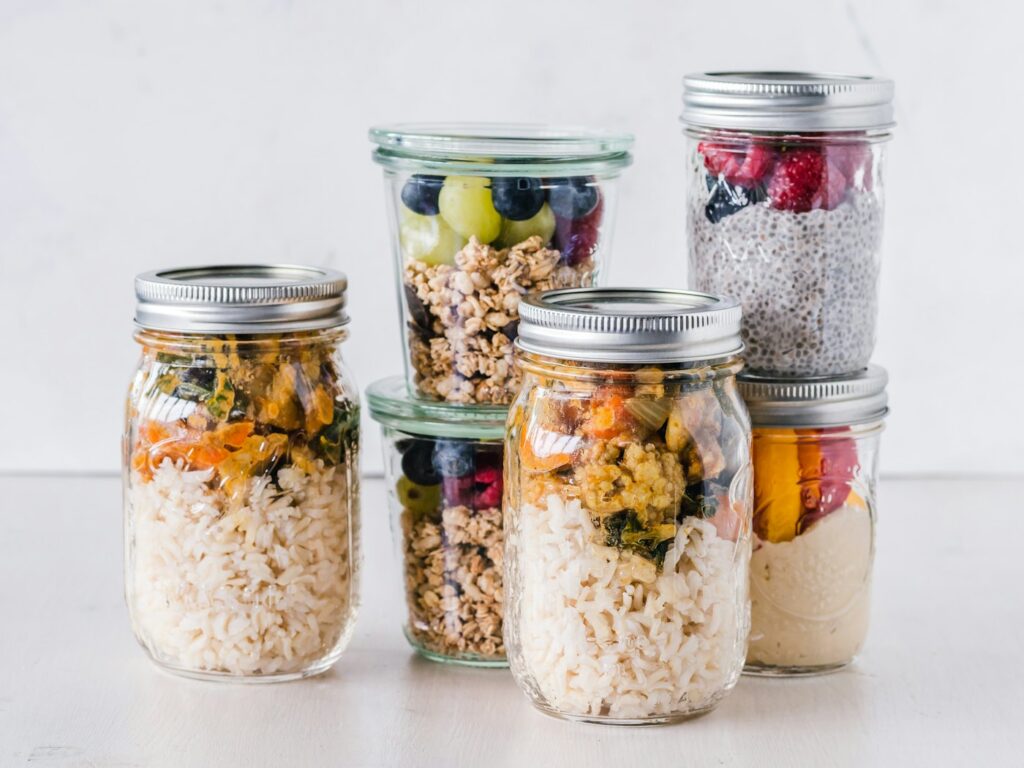
Keep containers that are intact and suited to their job. Retire anything cracked, warped or hard to clean. Start by replacing what you use for hot leftovers, then add a few stackable glass dishes. Label and date your food so a storage upgrade also cuts down on waste.
Where plastic is fine and where to think twice
Plastic is not the enemy in every situation. For cold, dry foods like crackers or cereal, a sturdy plastic container is a practical choice. The places to be more careful are heat, wear and age. Avoid heating food in plastic unless the label clearly says you can, keep older scratched containers out of the dishwasher heat, and retire anything stained, warped or cloudy.
Let food cool, then store it
Hot soup poured straight into a sealed container can warp lids and fog up glass. A good rule is to let food cool a little and get leftovers into the fridge within two hours of cooking. Shallow containers cool faster than deep ones, which also helps with food safety.
Freezing without cracked glass
If you want to freeze in glass, use containers marked freezer safe, and leave some space at the top because liquids expand as they freeze. Let frozen food thaw in the fridge before it goes into a hot oven, and do not move glass straight from freezer to heat unless the maker says it is designed for it.
Lids are the weak spot
Many glass sets have a plastic lid, and the lid is usually what warps first. Check whether the lid is dishwasher safe and microwave safe, and replace lids as they wear out. Some sets sell lids on their own, which saves you from replacing the whole container.
Cheap swaps you may already have
Pasta sauce jars and pickle jars make good storage for dry goods, soup in the fridge and cold leftovers. They are free, they stack, and they keep you from buying more. Just do not reheat food in jars that are not made for it.
Quick questions
Does BPA free mean chemical free?
No. It means BPA was not used. Other chemicals may still be in the plastic, which is why some people choose glass or stainless steel for hot food.
Can glass go directly from freezer to oven?
Not unless the maker says so. Sudden temperature changes can crack some glass. Let it thaw first and follow the product instructions.
Is every number 5 plastic microwave safe?
No. The number names the type of plastic. Only microwave a container that is labeled microwave safe.
The swaps
Where to start when you shop.
| Instead of | Consider | Check first |
|---|---|---|
| Warped or stained plastic containers | Glass with locking lids (Pyrex and Anchor Hocking are common names) | Whether the lid is plastic and how to wash it |
| Single use freezer bags | Reusable silicone bags or glass jars | Food grade rating and temperature rating |
Brand names are examples to research, not a promise. Always check current details before you buy.
Your next step
Check the containers you reheat in most often and replace one or two. For more kitchen ideas, see our cookware guide.
Where to read more
The FDA has pages on BPA in food contact applications and a BPA questions and answers page, and the NIEHS explains what is known about endocrine disrupting chemicals. Check the current versions.
Part of our Non-Toxic Living series
Start with Non-Toxic Living for Beginners. Next, try Cookware guide or What PFAS are and where they hide.
Free Non-Toxic Home Starter Checklist
Ten small swaps, in the order that makes the most difference.
Get the free checklist