Nonstick vs Stainless Steel vs Cast Iron vs Ceramic: A Practical Cookware Guide
There is no single safest pan, but there are clear trade offs. Here is how stainless steel, cast iron, ceramic coated and PTFE nonstick compare, so you can choose for the way you actually cook.
This post may contain affiliate links. If you buy through them, I may earn a small commission at no extra cost to you. It is general information, not medical advice.
The short version
There is no perfect pan. Stainless steel is the best all rounder, cast iron is great if you do not mind a little upkeep, and nonstick is fine at low heat until the coating wears. Buy one good pan before you buy a set.
There is no one perfect pan
When people search for the safest cookware, they often expect one winner. In reality it depends on the material, the quality of the pan, how you cook and whether you follow the maker’s instructions. It helps to compare coatings, durability, heat limits, cleaning and food release, rather than believing any pan is risk free.
Stainless steel: the everyday workhorse
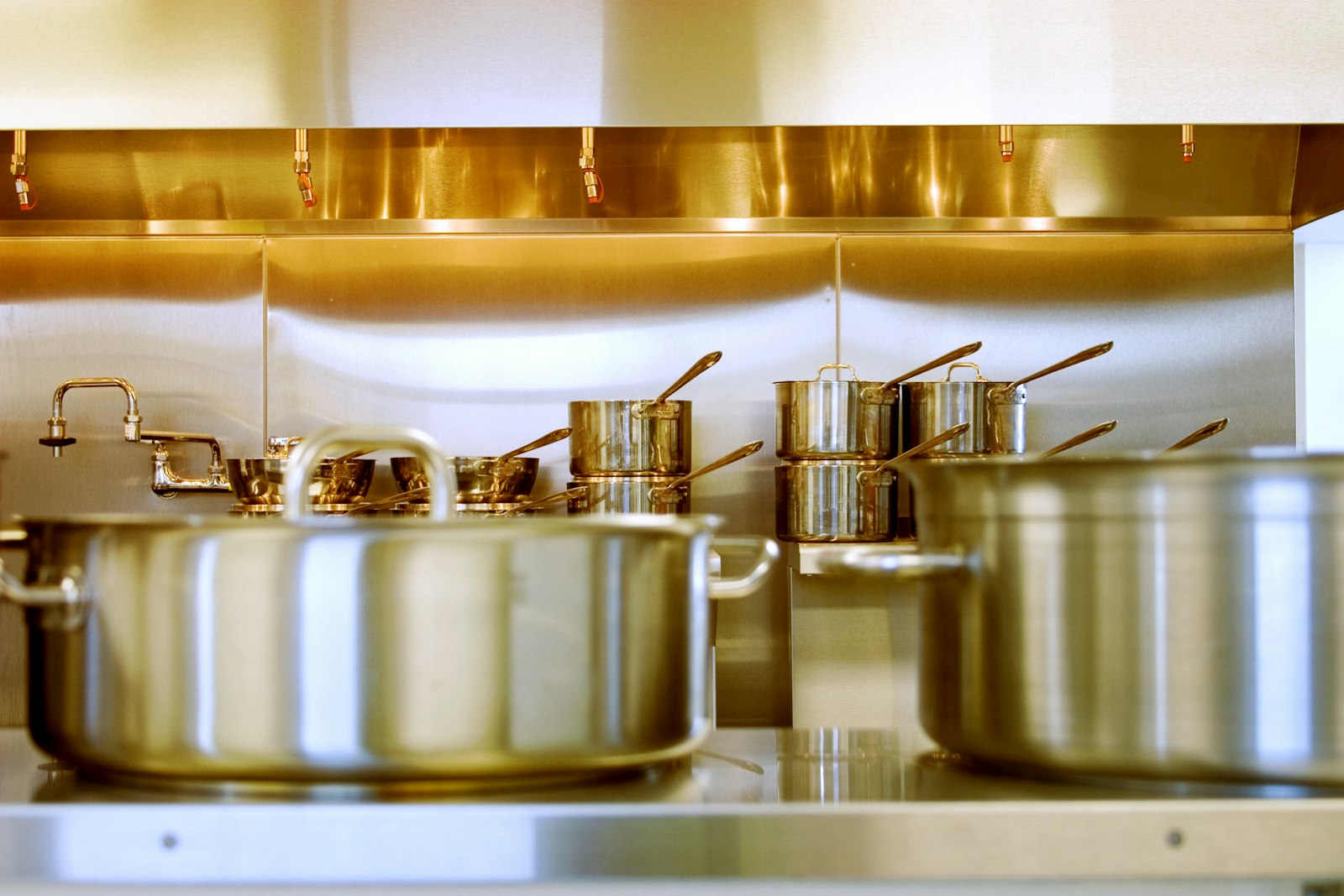
Stainless steel is an iron based alloy that usually contains chromium and sometimes nickel. It is durable and versatile, and it does not depend on a coating that wears off. Food can stick, and a little practice with heat and oil helps. If you have a specific metal sensitivity, ask a professional rather than assuming every grade of steel is the same.
Cast iron: long life, more care
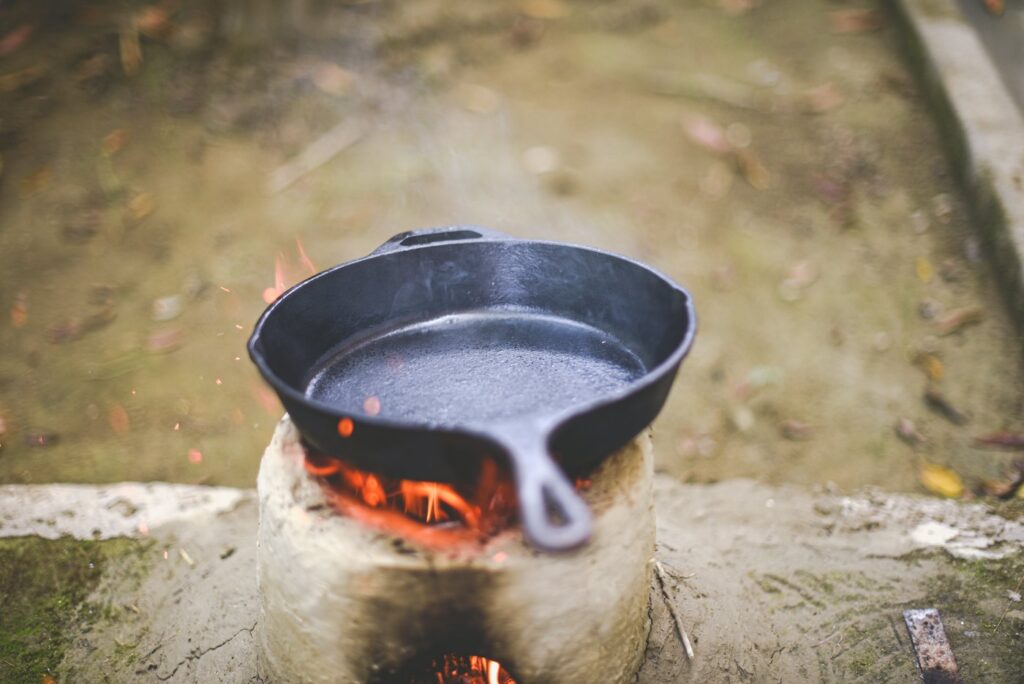
Bare cast iron holds heat well and can last for generations. Seasoning is a layer that forms when oil is heated on the surface. Dry the pan right after washing to prevent rust and keep the seasoning. Cast iron is heavy and can add some iron to food, especially acidic dishes. Enameled cast iron has different care needs and a different cooking surface.
Ceramic coated cookware: read the label
Many pans sold as ceramic nonstick are metal pans with a silica based coating, not solid ceramic. They release food easily at first, but that can fade with wear and heat. Check whether a particular product contains PTFE instead of relying on the word “ceramic”. Avoid abrasive cleaning and follow the temperature guidance.
PTFE nonstick: convenient, with limits
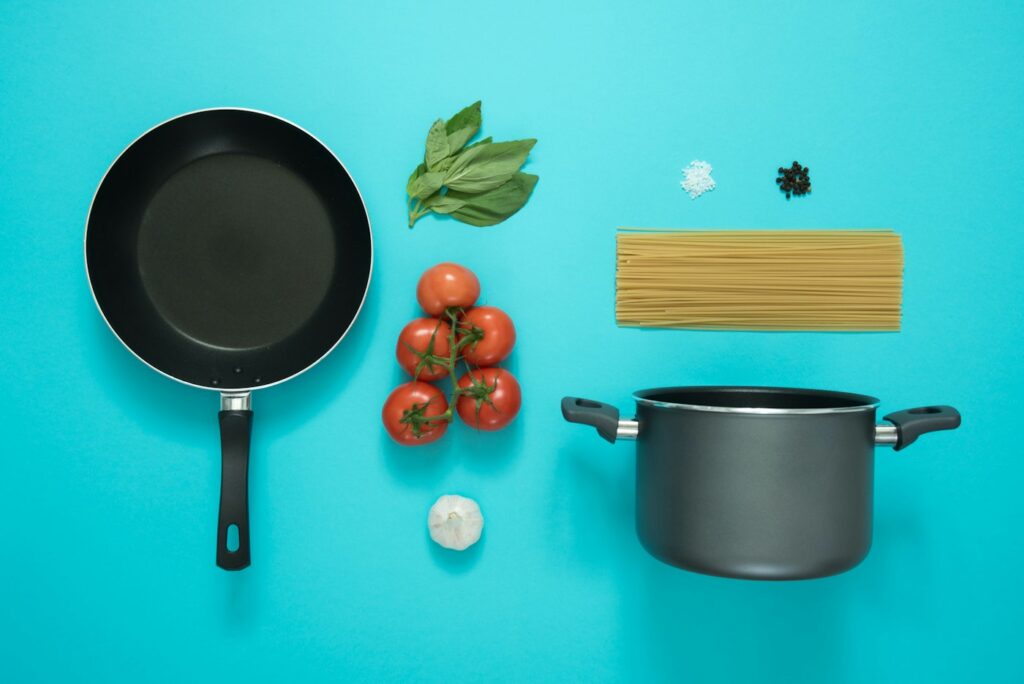
PTFE coated pans are popular for eggs and delicate foods. How long they last depends on the condition of the coating and how you care for it. Avoid overheating an empty pan and avoid utensils that scratch the surface. If you prefer no fluoropolymer coating, an uncoated stainless or cast iron pan may suit you better, though it cooks differently.
How to build a small cookware collection
A medium stainless saucepan, a versatile skillet and one pan chosen for your favorite meals can cover most home cooking. Compare handles, lids, induction compatibility, weight, warranties and replacement costs. A few well matched pieces are often more sustainable than a big set you rarely use.
Match the pan to the meal
Instead of asking which pan is best, ask what you are cooking. Eggs and pancakes are happiest in a nonstick or a well seasoned cast iron pan. Searing meat or roasting vegetables at high heat suits stainless steel or cast iron. A long simmering tomato sauce is fine in stainless, but very acidic food can strip the seasoning from cast iron, so a lighter touch there.
Once you cook this way you realize you do not need ten pans. You need two or three that fit the food you actually make.
Care that makes any pan last
Most pans die early from habits, not from bad luck. Preheat gently and do not blast an empty pan on high. Use wood or silicone on coated surfaces. Let a hot pan cool a bit before it hits cold water. Dry cast iron right away and rub in a thin layer of oil. Wash stainless with a soft sponge, and use a paste of baking soda for stuck on bits.
Read the little booklet that came with the pan. It has the heat limit and the care steps, and those matter more than any internet tip.
What to do with the pans you already own
You do not have to throw anything out today. If a nonstick pan is in good shape, you can keep using it at low to medium heat and replace it when the coating starts to peel or flake. If it is already damaged, retire it. A pan you cook with every day deserves the first upgrade.
A small budget plan
Start with one good stainless skillet. Add a medium saucepan next, and a cast iron pan when you are ready, since cast iron is often found secondhand and can be cleaned and reseasoned. Buy pieces over a few months and you spread the cost without ending up with a set you do not use.
Quick questions
Which cookware is best for high heat?
Stainless steel and cast iron handle high heat well. Many nonstick and ceramic coated pans have lower temperature limits, so check the maker’s instructions before searing.
Does stainless steel always prevent sticking?
No. Food can stick, especially if the pan is cold or the food is wet. Preheating the pan, adding a little oil and letting the food release on its own all help.
What is the difference between ceramic and ceramic coated pans?
A ceramic pan is ceramic all the way through. A ceramic coated pan is usually metal with a thin ceramic style coating, which can wear down over time.
The swaps
Where to start when you shop.
| Instead of | Consider | Check first |
|---|---|---|
| An everyday nonstick skillet | Stainless steel (All-Clad and Made In are two names people compare) | Oven limit, induction use, warranty |
| A pan for searing and baking | Cast iron (Lodge is a budget friendly name many cooks know) | Weight, handle, seasoned or not |
Brand names are examples to research, not a promise. Always check current details before you buy.
Your next step
Look at what you cook most and choose one pan to upgrade, not the whole set. If you want the background first, read what PFAS are and where they may hide in a kitchen.
Where to read more
The FDA has information on food contact materials, and Consumer Reports publishes cookware comparisons. Check the current versions, since products and guidance change.
Part of our Non-Toxic Living series
Start with Non-Toxic Living for Beginners. Next, try What PFAS are and where they hide or Glass vs plastic storage.
Free Non-Toxic Home Starter Checklist
Ten small swaps, in the order that makes the most difference.
Get the free checklist