Non Toxic Cutting Boards: Wood, Bamboo or Plastic?
This post may contain affiliate links. If you buy through them I may earn a small commission at no extra cost to you.
A cutting board is one of those kitchen items you do not think much about until it is time to replace it. You buy one that looks nice, use it every day, wash it and put it away.
But if you have been paying more attention to the materials in your kitchen, you may have started to wonder whether the board you chop on is a good choice. Wood, bamboo and plastic are the three most common options, and each has its advantages. Plastic is convenient, bamboo is often marketed as an eco friendly alternative, and wooden boards have become a favorite in kitchens that lean toward natural materials.
So which one should you choose? The answer is not as simple as one being completely safe and the others not. The material matters, but so do how the board is made, how you care for it and when you decide it is time to replace it. Here is what to know before you buy your next one.
A solid hardwood board such as maple or walnut is a sensible everyday choice if you want less plastic touching your food. Bamboo boards are glued together, so ask about the adhesive. Keep any plastic board clean and replace it when it gets deeply scratched.
- Why Your Cutting Board Material Matters
- Wooden Cutting Boards: A Good Everyday Choice
- Bamboo Cutting Boards: Are They Actually Better?
- Plastic Cutting Boards: Are They Worth Keeping?
- Wood vs Bamboo vs Plastic: Which Should You Choose?
- Is Wood More Hygienic Than Plastic?
- How to Care for a Wooden Cutting Board
- What About the Finish and Glue?
- Boards Worth a Look
- What I Would Buy for an Everyday Kitchen
- Quick Questions
- A Final Thought
Why Your Cutting Board Material Matters
Cutting boards come into direct contact with the food you prepare. Every time you chop an onion, slice fruit or prepare chicken, your knife touches the board. Over time, that repeated chopping leaves marks and scratches, particularly on softer materials.
With plastic boards, this raises a question that has received more attention in recent years: could tiny pieces of plastic end up in your food?
A 2023 study in Environmental Science & Technology looked at microplastics released from plastic cutting boards during chopping. Researchers found that both polyethylene and polypropylene boards released microplastic particles, though the amounts differed depending on the material and the chopping conditions.
It helps to keep that in perspective. The study showed that plastic particles can be released during food preparation. It did not show that using a plastic board causes a particular illness, or that the exposure measured leads to a specific health outcome. Still, if you are trying to reduce unnecessary plastic contact with food, choosing a wooden board is a reasonable place to start.
Wooden Cutting Boards: A Good Everyday Choice
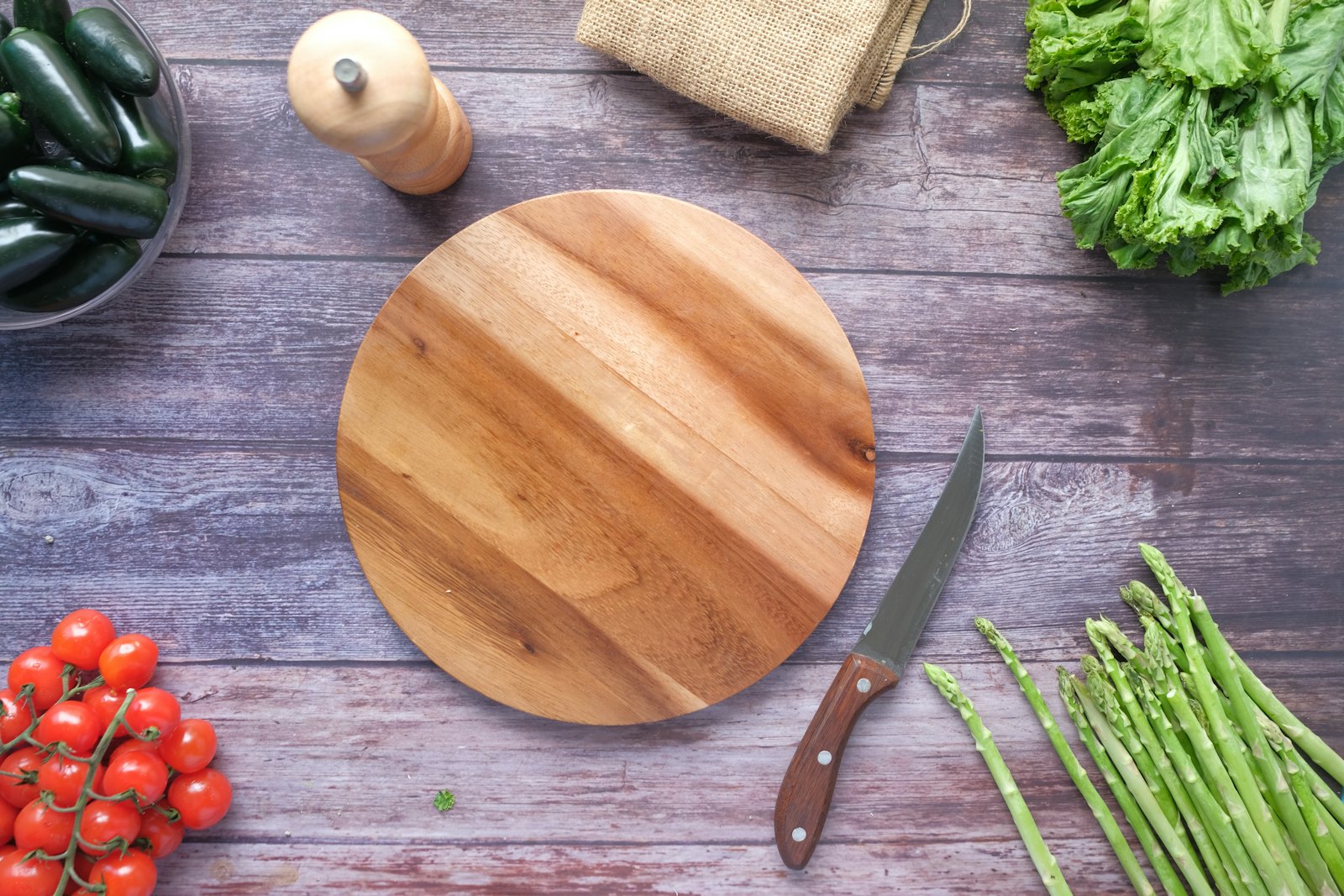
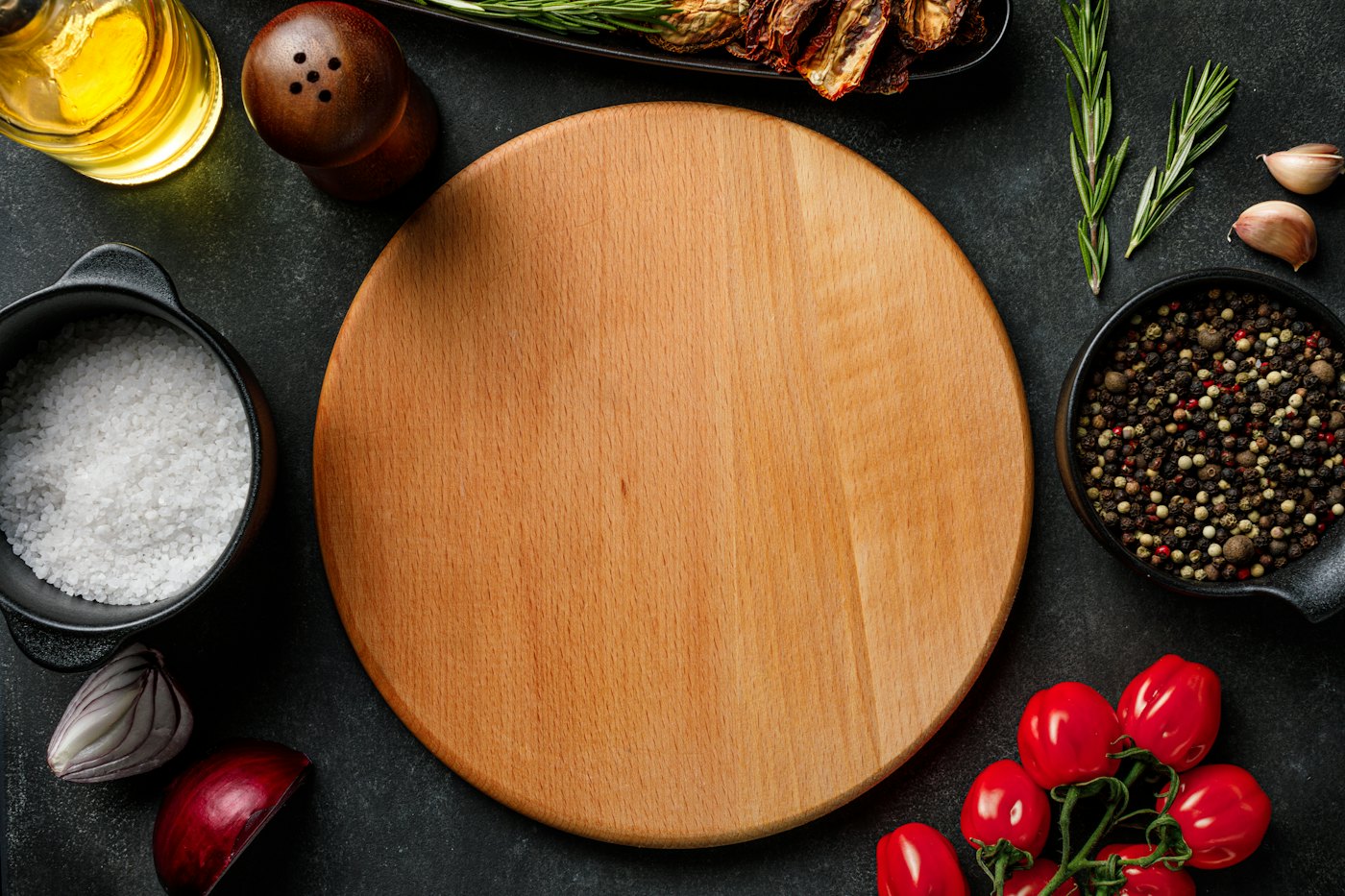
Wooden boards have been used in kitchens for generations, and there is a reason they have not gone out of style. They look good, feel sturdy and can last for years when they are looked after. For everyday use, hardwood is generally the better choice.
Which types of wood are best?
- Maple: a popular choice because it is a durable hardwood with a fairly fine grain.
- Walnut: slightly softer than maple, with a rich brown color that looks lovely in a kitchen.
- Cherry: known for its warm reddish brown color and smooth finish.
- Beech: a practical hardwood often used for kitchen utensils and cutting boards.
Look for solid hardwood boards rather than products made from an unknown mix of wood and adhesives.
What about end grain cutting boards?
If you have seen a thick wooden board with a checkerboard pattern, it was probably made with end grain construction. Instead of the wood fibers running along the surface, the ends of the fibers face upward. This gives the board its look and can be gentler on knife edges. End grain boards are also thicker and heavier, so they feel substantial on the counter.
They are not automatically safer than every other wooden board, though. How well it is made, the adhesive, the finish and how you maintain it still matter.
What should you look for when buying one?
- Solid hardwood construction.
- A smooth, well finished surface.
- A food safe adhesive if the board is assembled from several pieces.
- A food safe finish, or an unfinished board that you condition yourself.
- No deep cracks, rough edges or visible damage.
If a glued board is on your list, ask the maker which adhesive it uses. If you want to avoid adhesives that contain formaldehyde, look for clear information about what is in the product instead of vague descriptions like “natural wood.”
Bamboo Cutting Boards: Are They Actually Better?
Bamboo boards are often sold as the more sustainable alternative to wood. Bamboo grows quickly, and the finished boards are light, attractive and usually affordable.
But there is something worth knowing before you buy one. Unlike a solid piece of hardwood, most bamboo boards are made by bonding several strips of bamboo together, so adhesives are part of the process. That is not necessarily a problem, but it makes the quality of the manufacturing important.
If you are considering bamboo, look for a maker that shares information about its adhesive and confirms the finished board is suitable for food contact. Check that it has a smooth, durable finish and is designed for regular washing.
Bamboo is also quite hard, and some boards can feel firm under a knife. That may make them less comfortable for frequent chopping than some hardwoods. They can also crack or split if they are soaked often or left to dry badly. Bamboo is not a bad purchase, but I would not choose it only because it is marketed as eco friendly.
Plastic Cutting Boards: Are They Worth Keeping?
Plastic boards are popular for practical reasons. They are inexpensive, light and easy to find, and many can go in the dishwasher.
The concern is what happens as the board ages. Repeated chopping leaves grooves and scratches that can trap food residue and make the board harder to clean well. And there is the microplastic question mentioned earlier, which depends on the type of plastic, the knife and how you chop.
You do not need to throw out every plastic board in your kitchen today. They can still be useful, especially as a separate surface for raw meat or poultry. If you already own one, keep it clean and replace it when it gets deeply scratched, cracked or hard to wash properly.
Wood vs Bamboo vs Plastic: Which Should You Choose?
| Feature | Wood | Bamboo | Plastic |
|---|---|---|---|
| What it is | Solid hardwood such as maple or walnut | Bamboo strips pressed and glued together | Polyethylene or similar plastic |
| Knife feel | Gentle on edges | Harder, can dull knives faster | Easy on knives |
| Care | Hand wash, dry, oil now and then | Hand wash, dry, oil now and then | Often dishwasher friendly |
| What to check | Smooth finish, solid construction | Which adhesive is used | Replace when deeply scratched |
| Lifespan | Can last for years with care | Depends on build and glue | Shorter once heavily scored |
For a kitchen where cutting down on unnecessary plastic contact with food is a priority, I would lean toward a well made hardwood board. It is a practical purchase that can last a long time, as long as you are willing to give it a little care.
Is Wood More Hygienic Than Plastic?
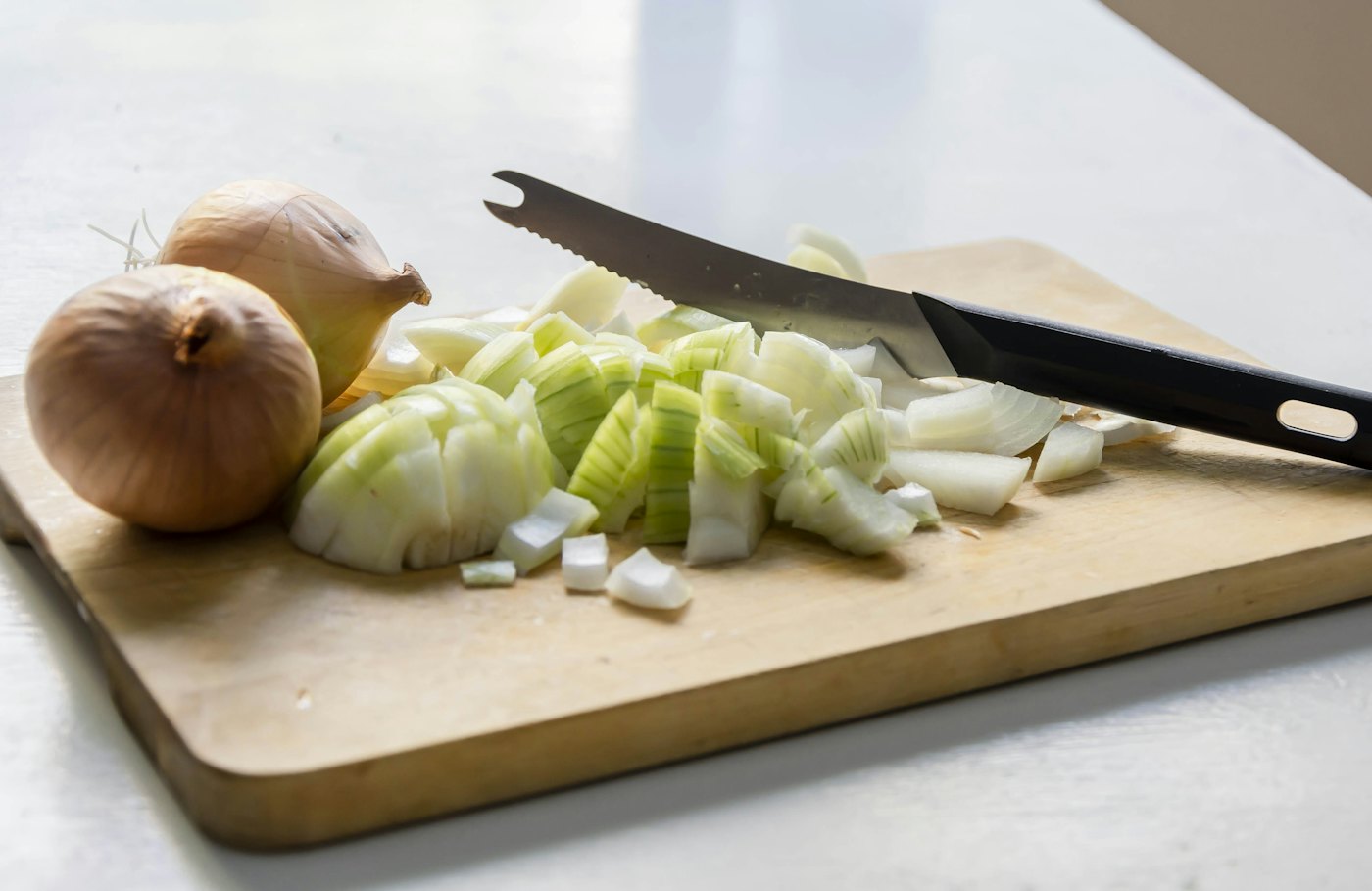
Plastic is often assumed to be more hygienic because it does not absorb water the way wood does and can usually go in the dishwasher. Research comparing the two has turned up some interesting findings.
A 1994 study in the Journal of Food Protection found that bacteria were generally recovered in lower numbers from wooden blocks than from plastic ones under the experimental conditions, and that bacteria on plastic could stay detectable for longer.
Studies like this do not mean wooden boards disinfect themselves, or that you can skip washing them. Proper food hygiene is still what matters most. Wash your board with hot water and dish soap after use, and do not use the same unwashed surface for raw meat and ready to eat foods. For raw chicken, use a separate board or wash and sanitize the surface thoroughly before you prepare anything else.
How to Care for a Wooden Cutting Board
A good wooden board does not need an elaborate routine. A few habits keep it in good shape.
- Wash it after every use. Use warm water and dish soap, and clean both sides.
- Do not leave it soaking. Wood absorbs moisture, and long soaking can make it swell, warp or crack.
- Dry it properly. Wipe off excess water and let it air dry upright, so both sides dry.
- Oil it when needed. When the wood looks dry or pale, rub on a thin layer of food grade mineral oil, let it soak in and wipe off the extra. A food safe mix of beeswax and mineral oil also works. Skip ordinary cooking oils like olive oil, which can turn rancid.
- Replace damaged boards. Deep cracks, splitting wood and grooves that are hard to clean are signs it is time for a new one.
What About the Finish and Glue?
A wooden board may look like a simple piece of natural material, but many are assembled from several smaller pieces. That means glue and finishes can be part of the final product. Before you buy, check whether the maker tells you:
- Which adhesive is used.
- Whether the adhesive is suitable for food contact.
- Whether the board has a food safe finish, or is unfinished.
- Whether it has been treated with a particular oil or sealant.
Do not assume that everything labeled natural, organic or handmade is free of synthetic adhesives. And remember that food safe does not mean chemical free. The goal is a product made with materials and finishes intended for repeated contact with food.
The swaps
| Instead of | Try | Look for |
|---|---|---|
| Old scratched plastic board | Solid hardwood such as maple or walnut | Solid wood, smooth finish, adhesive named if glued |
| Bamboo board sold as eco friendly | Bamboo from a maker that names its adhesive | Food contact statement and smooth finish |
Boards Worth a Look
These are boards people often compare. I have not tested them, so check the current details and price before you buy.
- John Boos Block RA02 Maple Edge Grain Cutting Board: a solid maple board that is often seen as a premium pick. It is heavy and needs regular oiling.
- Royal Craft Wood Bamboo Cutting Boards, 3 Piece Set: a budget friendly bamboo set with juice grooves. Bamboo boards are glued, so check what the maker says about the adhesive.
- Greener Chef Extra Large Organic Bamboo Cutting Board: a large bamboo board. “Organic” on a bamboo board does not tell you what glue holds it together.
What I Would Buy for an Everyday Kitchen
If I were replacing a cutting board, I would start with a solid maple or walnut hardwood board. I would look for a simple rectangular shape, a good thickness and a smooth finish. If the budget allowed, I would consider end grain, although a well made edge grain board is an excellent everyday option too.
I would not spend extra just because a product says organic, natural or non toxic in its description. I would rather know exactly what the board is made from, what holds it together and how to look after it. A good cutting board should be something you enjoy using, not another thing that makes caring for your home feel complicated.
What the research says
The FDA publishes consumer information on materials that touch food, and that is the right starting point for any board you plan to buy: FDA food contact information for consumers. Research on microplastics from cutting boards is still developing, so the care habits in this guide matter more than any single claim. If you are rethinking the rest of your kitchen, start with the safest cookware guide and glass vs plastic food storage.
Quick Questions
What is the best non toxic cutting board?
A well made solid hardwood board in maple, walnut or cherry is a good option if you want to reduce plastic contact with food. Check the adhesive and finish if the board is assembled from several pieces.
Are plastic cutting boards bad for your health?
Plastic boards can release microplastic particles during chopping, according to laboratory research. The health effects of this exposure are not fully established. If you would rather reduce this source, consider switching to wood.
Are bamboo cutting boards non toxic?
Bamboo itself is a plant material, but most bamboo boards use adhesives to hold the strips together. Look for makers that name their adhesive and confirm their products are suitable for food contact.
Are end grain cutting boards better?
They are durable, attractive and can be gentler on knife edges. They often cost more and need proper maintenance. They are not automatically safer than every other wooden board.
How often should I oil my wooden cutting board?
There is no fixed schedule. It depends on how often you use and wash it, and on the type of wood. Apply food grade mineral oil when the surface looks dry, and follow the maker’s instructions.
Can I use a wooden cutting board for raw meat?
Yes, as long as you clean it properly afterward. Wash with hot water and dish soap, and use separate boards or proper cleaning and sanitizing to prevent cross contamination.
A Final Thought
You do not have to replace everything in your kitchen to make more thoughtful choices. Sometimes it is simply about paying attention when something wears out and choosing a better fitting replacement. A good wooden cutting board is one of those small changes that makes sense for everyday use.
Where to Read More
Pages change over time, so check the current version.
Products to look at
- John Boos Block Maple Wood Edge Grain Cutting Board
Solid maple, edge grain construction. A classic hardwood board. - Greener Chef Extra Large Organic Bamboo Cutting Board
A large bamboo board. Check the maker for adhesive details. - Royal Craft Wood Bamboo Cutting Boards, 3 Piece Set
A budget friendly bamboo set in three sizes.
As an Amazon Associate I earn from qualifying purchases.
Keep reading
- Lead free dinnerware: how to check your plates and mugs
- Non toxic food storage: glass vs plastic
- The safest cookware guide
- What is PFAS in the kitchen?
- The free Non Toxic Home Starter Checklist
Grab the free Non Toxic Home Starter Checklist.